Bred by Yorkshire millworkers to kill rats in textile mills and mines, the Yorkshire Terrier was refined within a few decades into a silk-coated Victorian lapdog — while keeping the terrier intact.
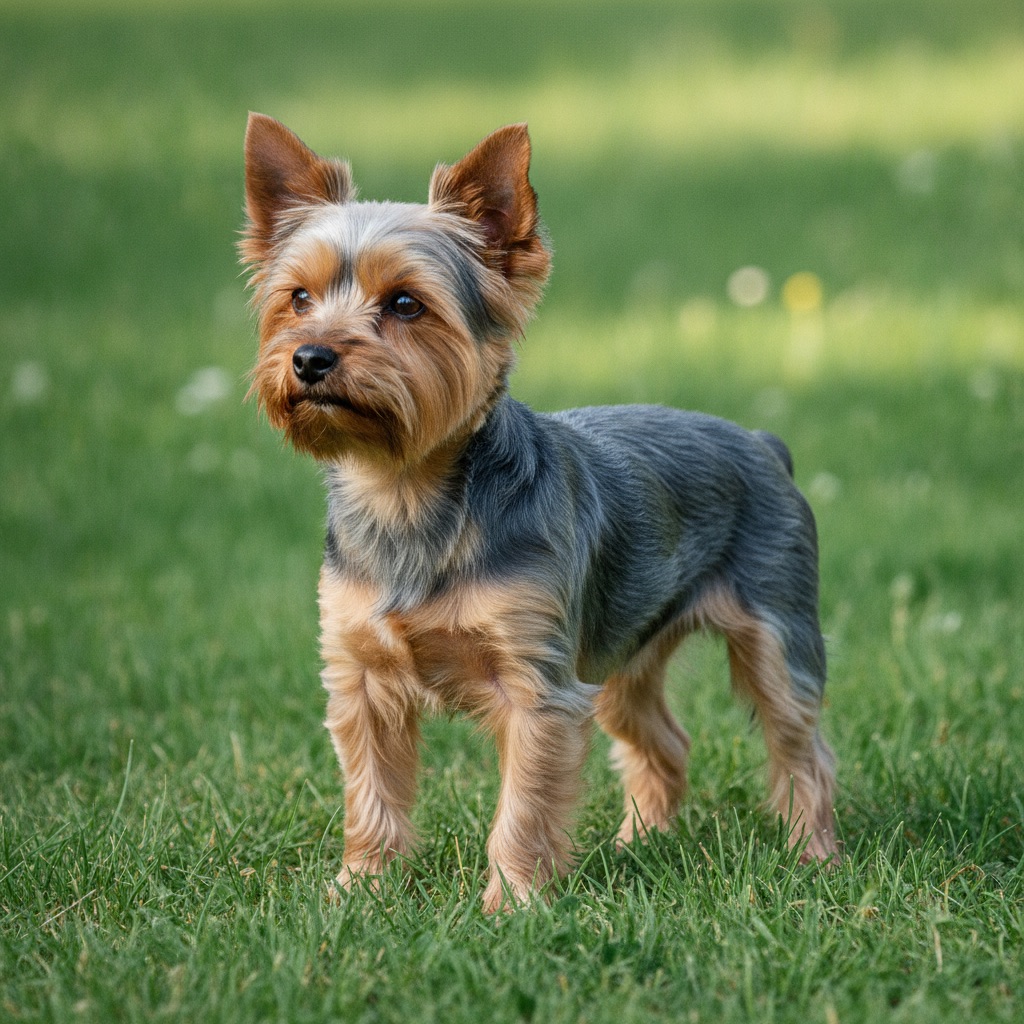

Scottish weavers migrating to Yorkshire during the Industrial Revolution brought small terriers — Clydesdale, Paisley and Skye types — which were crossed with local English terriers to produce a compact ratter used in mills, mines and homes.2
A dog named Huddersfield Ben, born in 1865, is considered the breed's foundation sire and set the type. Within a generation the Yorkie had moved from working-class utility to Victorian drawing-room fashion, and the Kennel Club recognised the name Yorkshire Terrier in 1874.2 The AKC recognised the breed in 1885.1
Named for Yorkshire, the northern English county where the breed was developed by mill and mine workers. The dogs were initially exhibited as "broken-haired Scotch terriers" until a reporter in 1870 suggested they be called Yorkshire Terriers, having been improved so much in the county.2
| Life expectancy | 11–15 years |
|---|---|
| Height — male | 7–8 in (18–20 cm) |
| Height — female | 7–8 in (18–20 cm) |
| Weight — male | under 7 lb (3.2 kg) |
| Weight — female | under 7 lb (3.2 kg) |
| Coat type & colors | Long, fine, silky, single; steel blue and tan |
| Shedding | Very low — hair grows continuously |
| Exercise needs | Low to moderate — short walks and play |
| Country of origin | United Kingdom |
| AKC group | Toy Group (AKC) |
| Prestige Breed size class | Small Breed · Under 25 lbs |
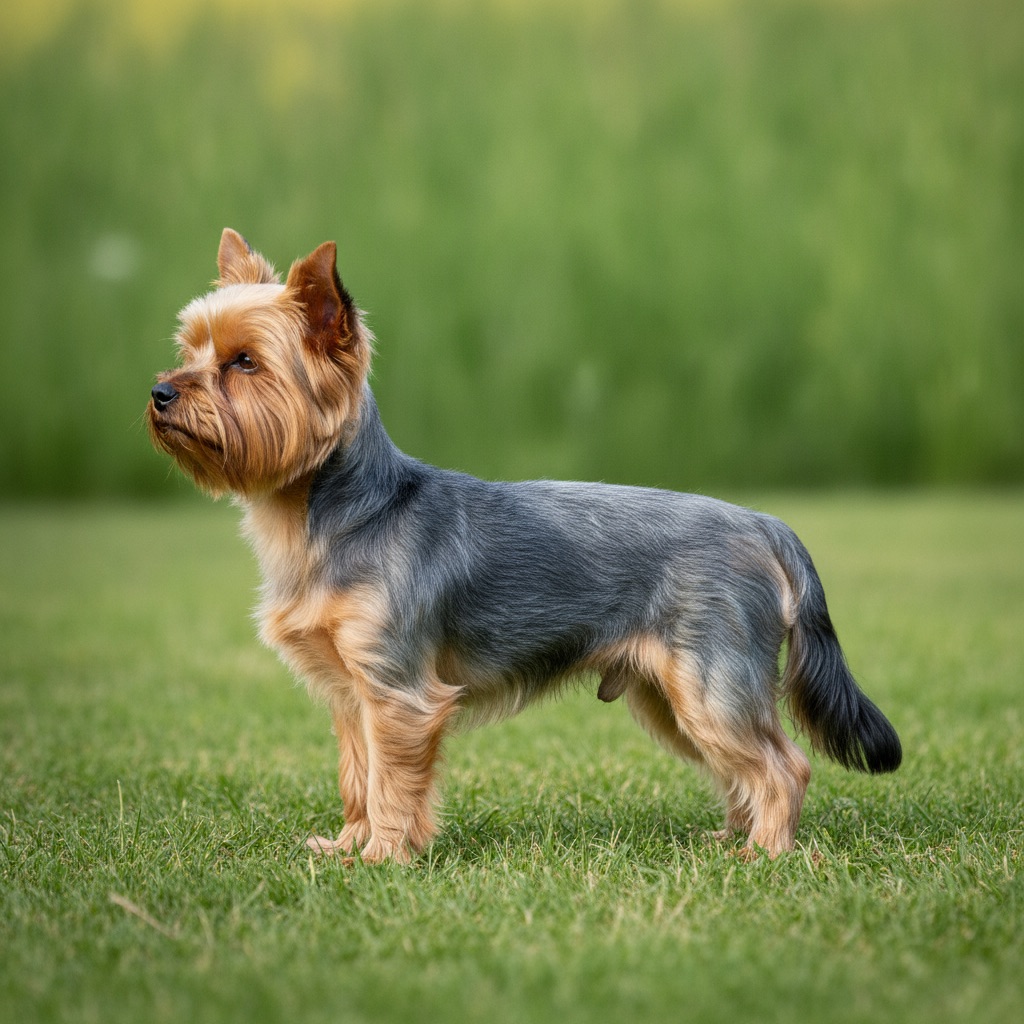
The AKC describes the Yorkshire Terrier as affectionate, sprightly and tomboyish.1 The toy classification is a matter of size only — the Yorkie is a terrier in temperament, bold, curious and prepared to challenge much larger dogs.
Yorkies bond intensely to their owners and can be possessive of them. They are alert barkers, sometimes excessively so, and retain a real prey drive toward small animals. Housetraining is often slow, and small-dog syndrome — a genuinely under-socialised, reactive dog — is the most common avoidable problem in the breed.
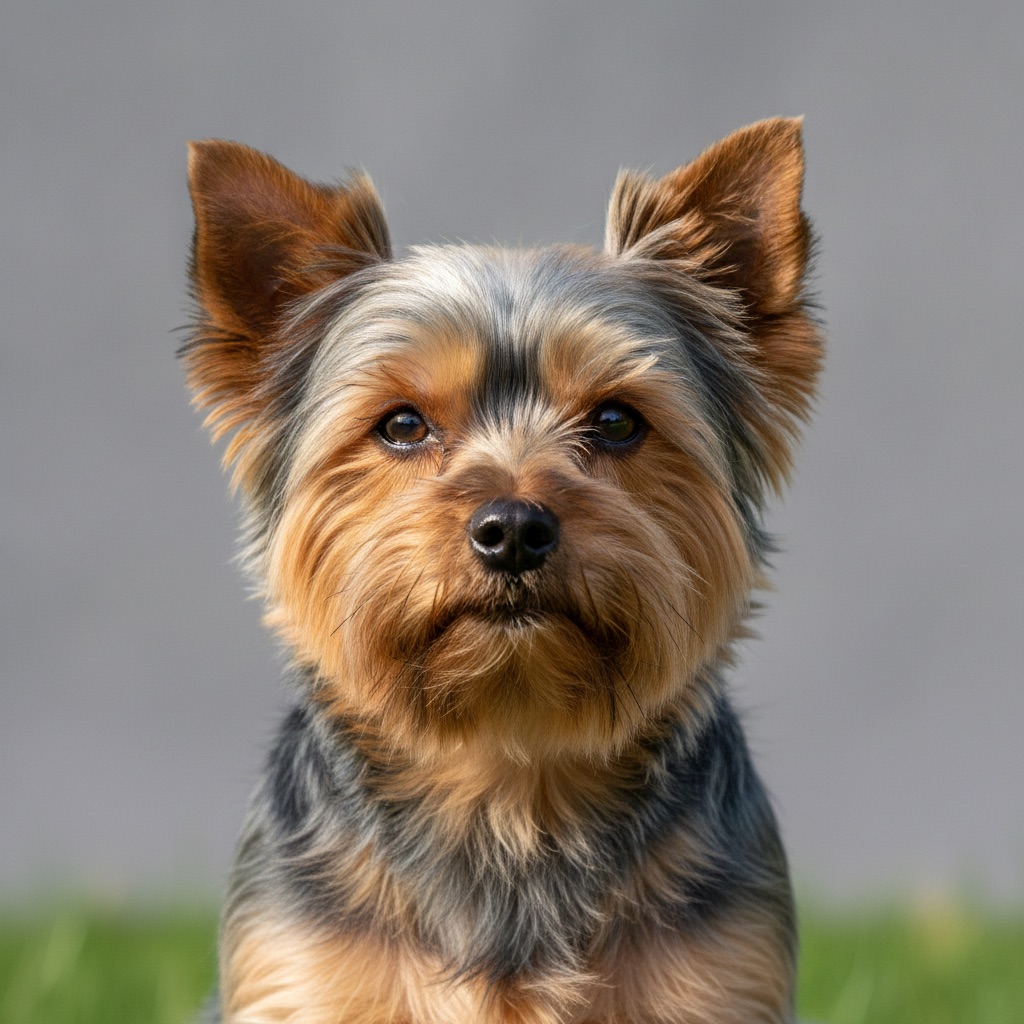
Smoky, a four-pound Yorkshire Terrier found in a New Guinea foxhole in 1944, served through the Pacific campaign and is credited with pulling a telegraph wire through a seventy-foot culvert, sparing an airfield crew days of work under fire.2
Treat a Yorkie as a dog, not an accessory. Consistent rules and broad early socialisation prevent the reactivity the breed is stereotyped for.
Toy breeds accumulate tartar early and lose teeth young. Daily brushing and regular professional cleaning are the highest-return interventions.3
Both are common in the breed. Use a harness rather than a collar and report any coughing or skipping gait.3
A full silk coat requires daily combing. Most pet owners keep a short puppy clip, which is entirely acceptable.
This guide is educational and is not veterinary advice. Breed standards, measurements and health information are drawn from the sources listed above; consult your veterinarian for guidance specific to your dog.
Prestige Breed makes a small breed multivitamin designed for breeds like the Yorkie — see the Yorkie Multivitamin.