Cuba's only native breed, the Havanese is a small, silky-coated bichon developed as a companion for the Havana aristocracy and known for an unusually springy gait.
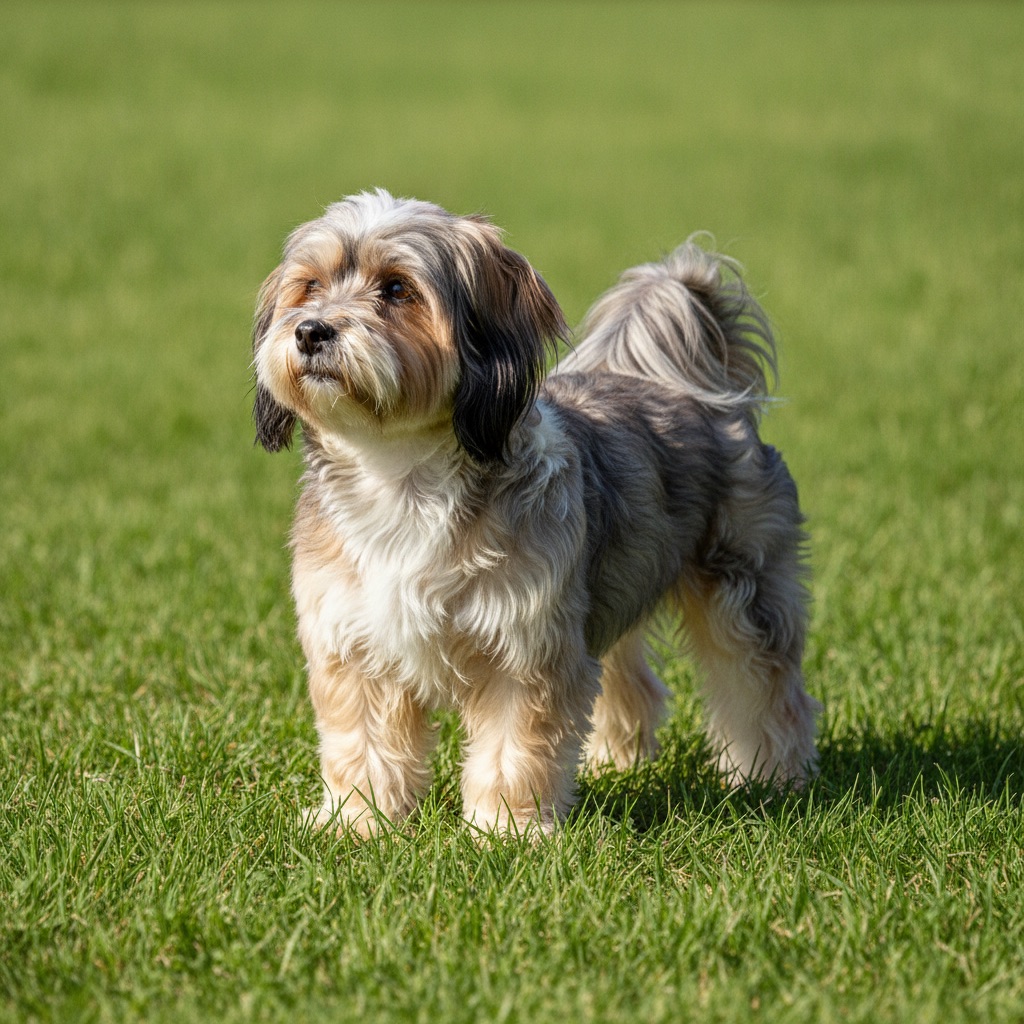

The breed descends from bichon-type dogs brought to Cuba by Spanish settlers from the sixteenth century — most likely the Bichon Tenerife — which developed in isolation on the island into a distinct type known as the Blanquito de la Habana, later crossed with poodles and other European companions.2
The Havanese was the companion of the Cuban aristocracy through the nineteenth century. After the 1959 revolution a small number of dogs left the island with emigrating families, and the modern breed outside Cuba was rebuilt in the United States from roughly eleven dogs.2 The AKC recognised the Havanese in 1996.1
Named for Havana, the Cuban capital where the breed was concentrated. Its earlier Spanish name, Blanquito de la Habana — "little white dog of Havana" — described the original all-white form before crossing broadened the colour range. It is also called the Havana Silk Dog.2
| Life expectancy | 14–16 years |
|---|---|
| Height — male | 8.5–11.5 in (22–29 cm) |
| Height — female | 8.5–11.5 in (22–29 cm) |
| Weight — male | 7–13 lb (3–6 kg) |
| Weight — female | 7–13 lb (3–6 kg) |
| Coat type & colors | Long, soft, silky double coat, wavy; all colours and patterns |
| Shedding | Very low |
| Exercise needs | Low to moderate — short walks and play |
| Country of origin | Cuba |
| AKC group | Toy Group (AKC) |
| Prestige Breed size class | Small Breed · Under 25 lbs |
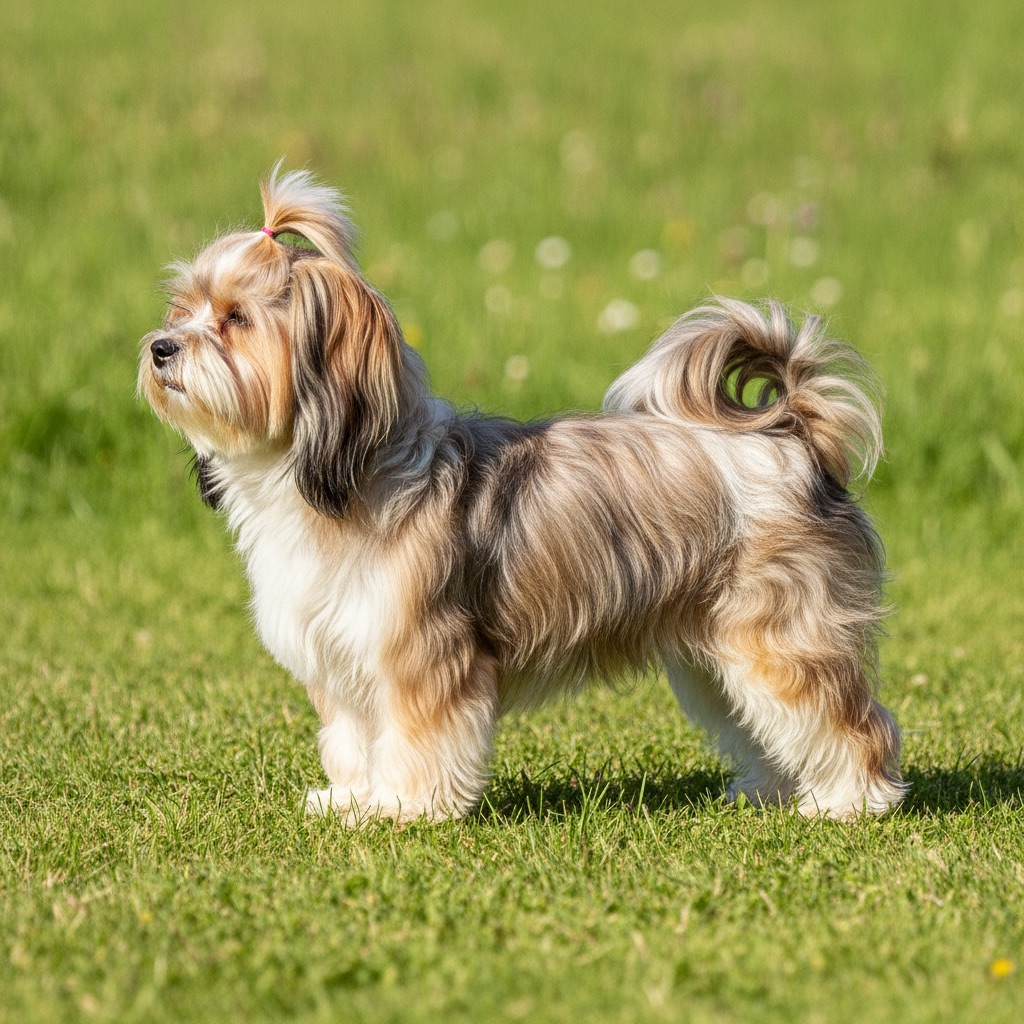
The AKC describes the Havanese as intelligent, outgoing and funny.1 The breed is a natural companion — sociable with strangers, tolerant of children and other pets, and notably trainable for a toy dog; Havanese have a long history as circus performers.
They are attentive and inclined to follow their owner from room to room, and they do not do well left alone for long periods. They are alert but generally moderate barkers. The breed's springy, bouncing gait is a required feature of the standard rather than a quirk.
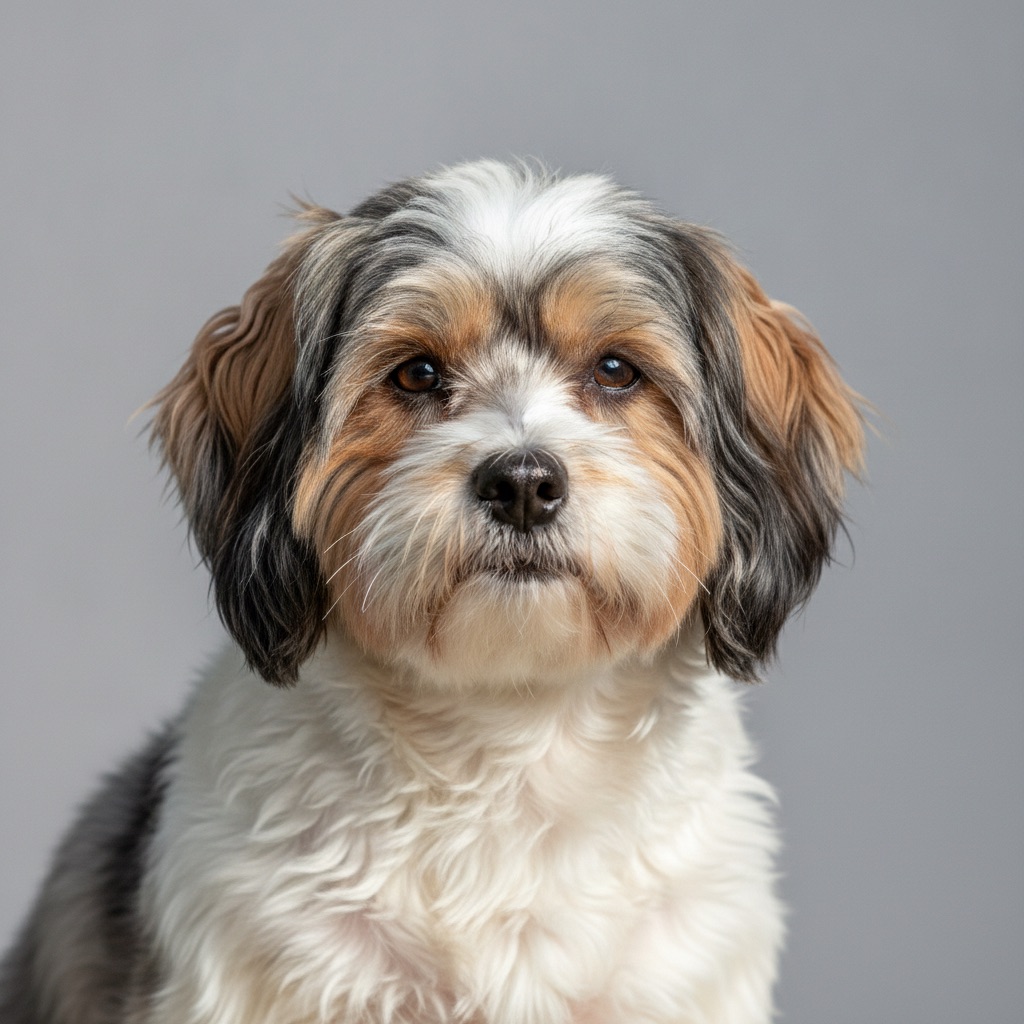
The Havanese coat is described as insulating rather than warming — light and airy, it evolved as protection from tropical sun rather than cold, which is why the standard discourages heavy trimming.2
The long double coat mats readily near the skin. Daily combing, or a shorter clip maintained every six to eight weeks.
Hair falling into the eyes causes irritation. Tie it up or trim it, and watch for tear staining.
Cataracts, progressive retinal atrophy, patellar luxation and Legg-Calvé-Perthes disease are the parent club's screening priorities.3
A companion breed by design; graduated separation training from puppyhood prevents distress later.
This guide is educational and is not veterinary advice. Breed standards, measurements and health information are drawn from the sources listed above; consult your veterinarian for guidance specific to your dog.
Prestige Breed makes a small breed multivitamin designed for breeds like the Havanese — see the Havanese Multivitamin.