A large spitz-type dog from the mountains of northern Japan, the Akita is a dignified, powerfully built breed designated a Japanese national monument in 1931.
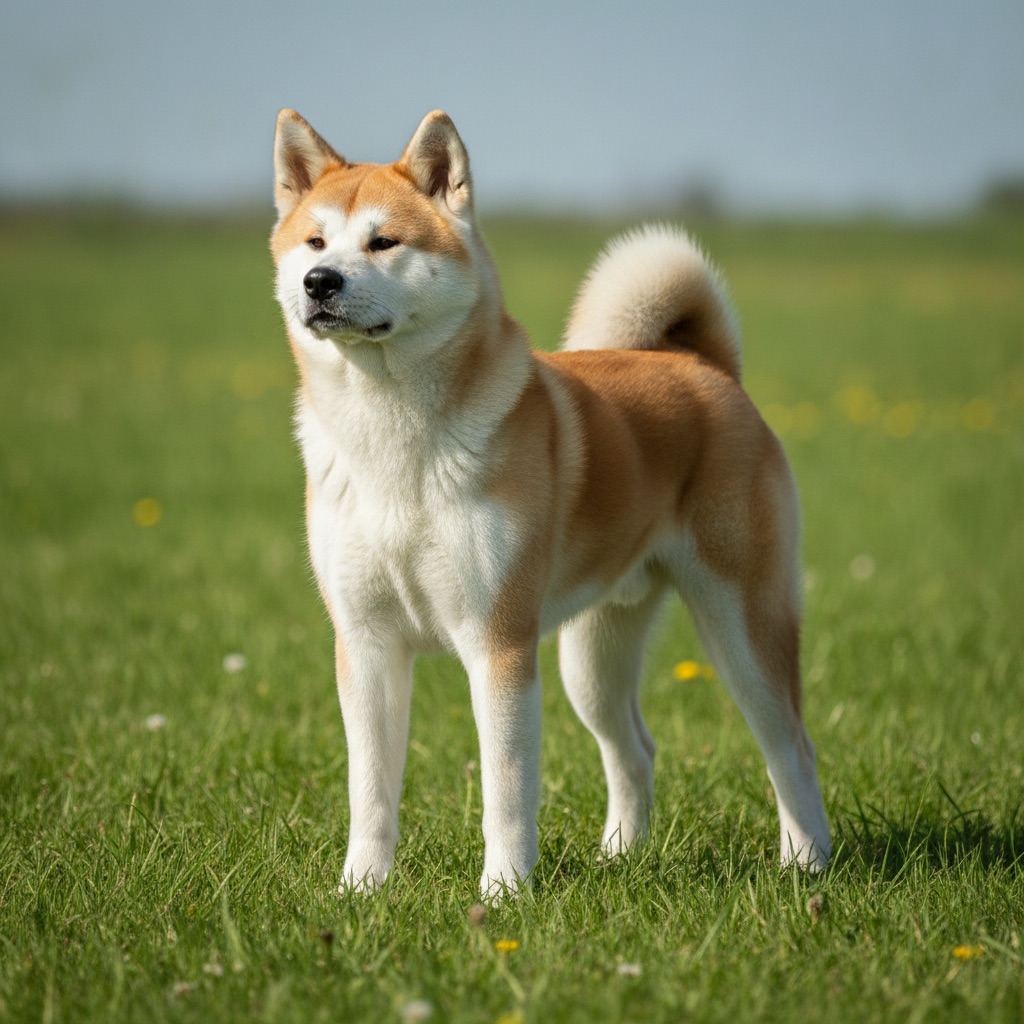

The breed originates in Akita Prefecture in the Tōhoku region of Honshu, where large matagi hunting dogs were used on bear, boar and deer. In the late nineteenth century the type was crossed with Tosa, Mastiff and other imported breeds during a period of organised dog fighting, which increased size but diluted the original character.2
A preservation movement began in the 1920s; the Akitainu Hozonkai (AKIHO) was founded in 1927, and the breed was declared a Natural Monument of Japan in 1931.2 Numbers collapsed during the Second World War. Post-war restoration produced two divergent lines: the Japanese Akita-inu, bred back toward the original spitz type, and the American Akita, developed from the larger, more mastiff-influenced dogs brought to the United States — most famously by Helen Keller, who received one in 1937.1 The AKC recognises them as a single breed; most other registries do not.
The breed is named for Akita Prefecture, its region of origin; the full Japanese name Akita-inu simply means "Akita dog." Earlier names include Odate-inu, after the city of Ōdate within the prefecture.2
| Life expectancy | 10–13 years |
|---|---|
| Height — male | 26–28 in (66–71 cm) |
| Height — female | 24–26 in (61–66 cm) |
| Weight — male | 100–130 lb (45–59 kg) |
| Weight — female | 70–100 lb (32–45 kg) |
| Coat type & colors | Thick double coat, short to medium; any colour including white, brindle and pinto |
| Shedding | Very heavy — twice-yearly coat blow |
| Exercise needs | Moderate — daily walks and structured activity |
| Country of origin | Japan |
| AKC group | Working Group (AKC) |
| Prestige Breed size class | Large Breed · Over 60 lbs |
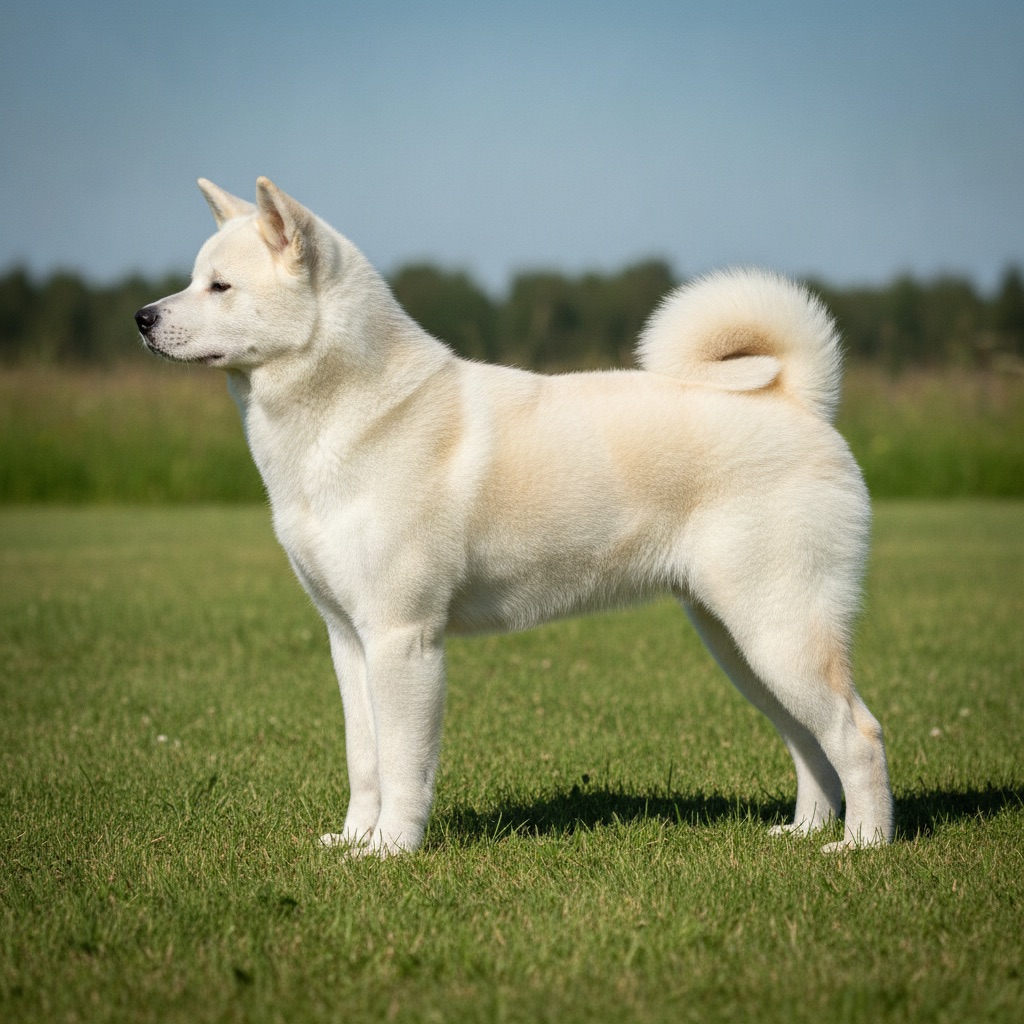
The AKC characterises the Akita as courageous, dignified and profoundly loyal.1 The breed is famously undemonstrative — affectionate with its own family, silent and reserved with everyone else. Akitas rarely bark without cause.
Same-sex dog aggression is well documented in the breed and the parent club advises caution in multi-dog households.3 Akitas are independent and were bred to make decisions alone in the field; they respond poorly to repetition and to harsh correction. They are also notably clean, often described as cat-like in their grooming habits.
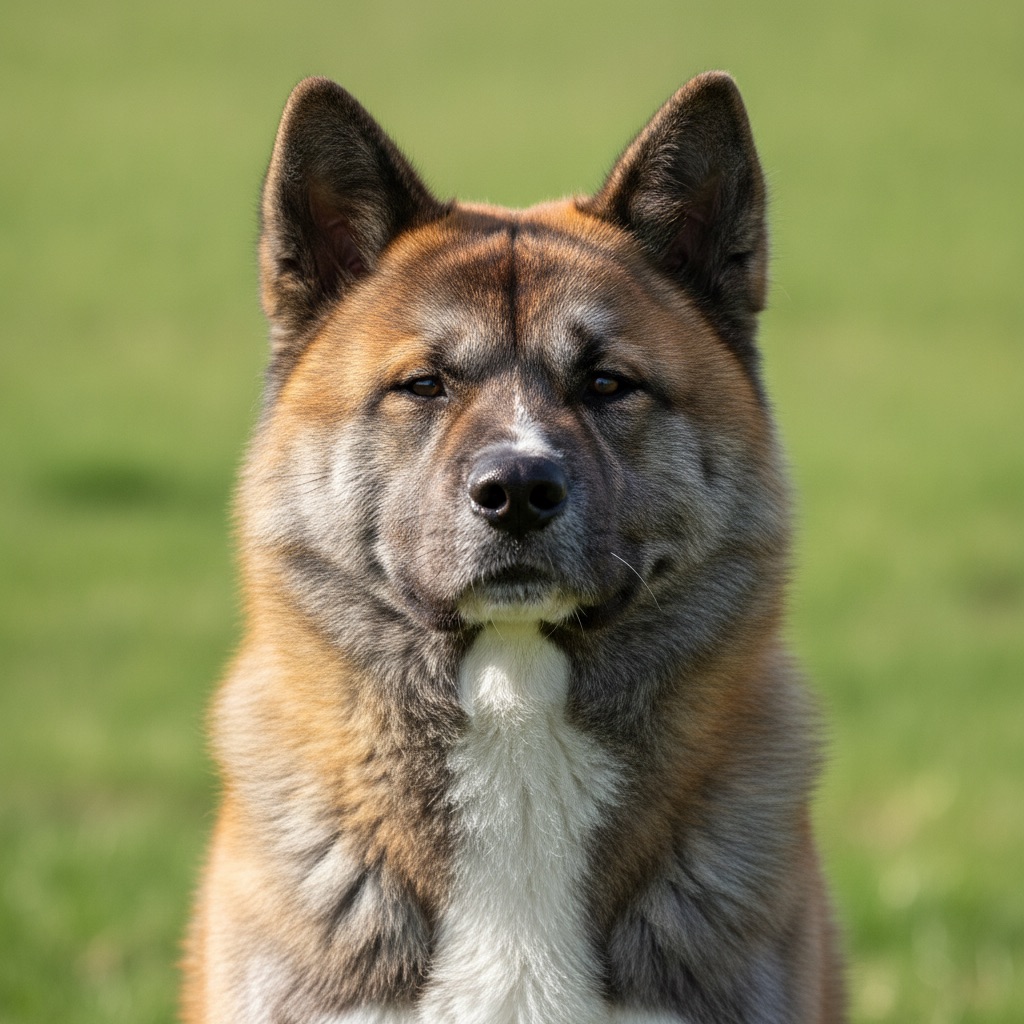
Hachikō, an Akita who waited at Shibuya Station for his deceased owner every day for nine years, is memorialised by a bronze statue at the station and remains one of the most famous dogs in the world.2
The breed's reserve and dog-directed intolerance must be worked on from puppyhood. This is not a breed that self-corrects with age.
Twice a year an Akita sheds its entire undercoat over a few weeks. Daily raking during those periods; weekly otherwise.
Hypothyroidism, sebaceous adenitis and VKH-like uveodermatologic syndrome are documented in the breed.3
Short, varied training sessions with clear rewards work; drilling does not. Reliable off-leash recall should not be assumed.
This guide is educational and is not veterinary advice. Breed standards, measurements and health information are drawn from the sources listed above; consult your veterinarian for guidance specific to your dog.
Prestige Breed makes a large breed multivitamin designed for breeds like the Akita — see the Akita Multivitamin.