One of four Belgian sheepdog varieties, the Malinois is a fawn, short-coated herding dog whose extreme drive and trainability have made it the dominant breed in modern police and military work.
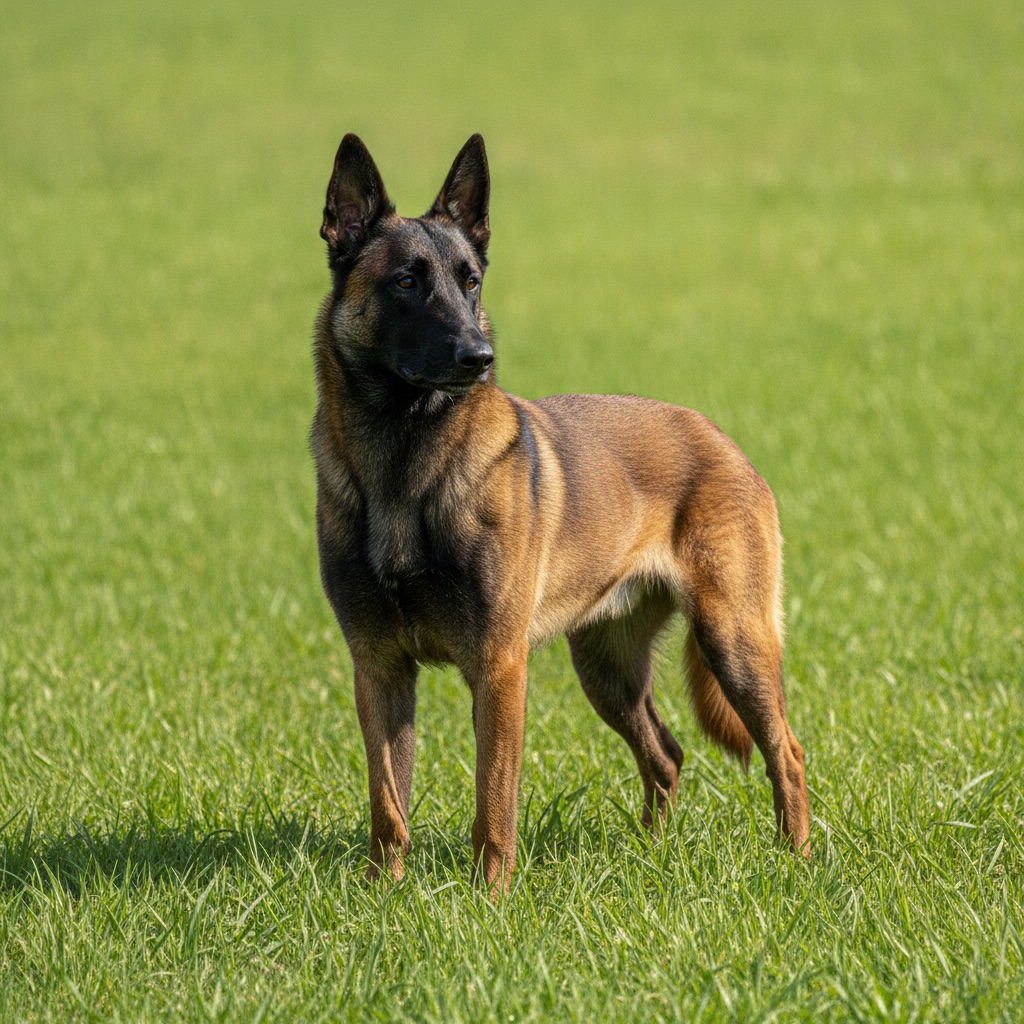

In the 1890s Professor Adolphe Reul of the Belgian veterinary school at Cureghem catalogued the country's regional sheepdogs and found a consistent type in four coat varieties. The short-coated fawn variety was concentrated around the city of Mechelen and became the Malinois.2
Belgian shepherds moved quickly from herding into police work — Ghent had a police dog programme by 1899 — and the Malinois has since displaced the German Shepherd in many military and detection roles worldwide, owing to its lighter build, endurance and intensity.1 The AKC recognised the Belgian Malinois as a separate breed in 1959, having earlier registered the Belgian varieties together.1
"Malinois" is the French demonym for Mechelen — Malines in French — the Flemish city around which this variety was concentrated. The other three varieties are named similarly for their localities or coats: Tervuren, Laekenois and Groenendael.2
| Life expectancy | 14–16 years |
|---|---|
| Height — male | 24–26 in (61–66 cm) |
| Height — female | 22–24 in (56–61 cm) |
| Weight — male | 60–80 lb (27–36 kg) |
| Weight — female | 40–60 lb (18–27 kg) |
| Coat type & colors | Short, straight, weather-resistant double coat; rich fawn to mahogany with black mask and overlay |
| Shedding | Moderate, heavier seasonally |
| Exercise needs | Extremely high — daily working-level demands |
| Country of origin | Belgium |
| AKC group | Herding Group (AKC) |
| Prestige Breed size class | Large Breed · Over 60 lbs |
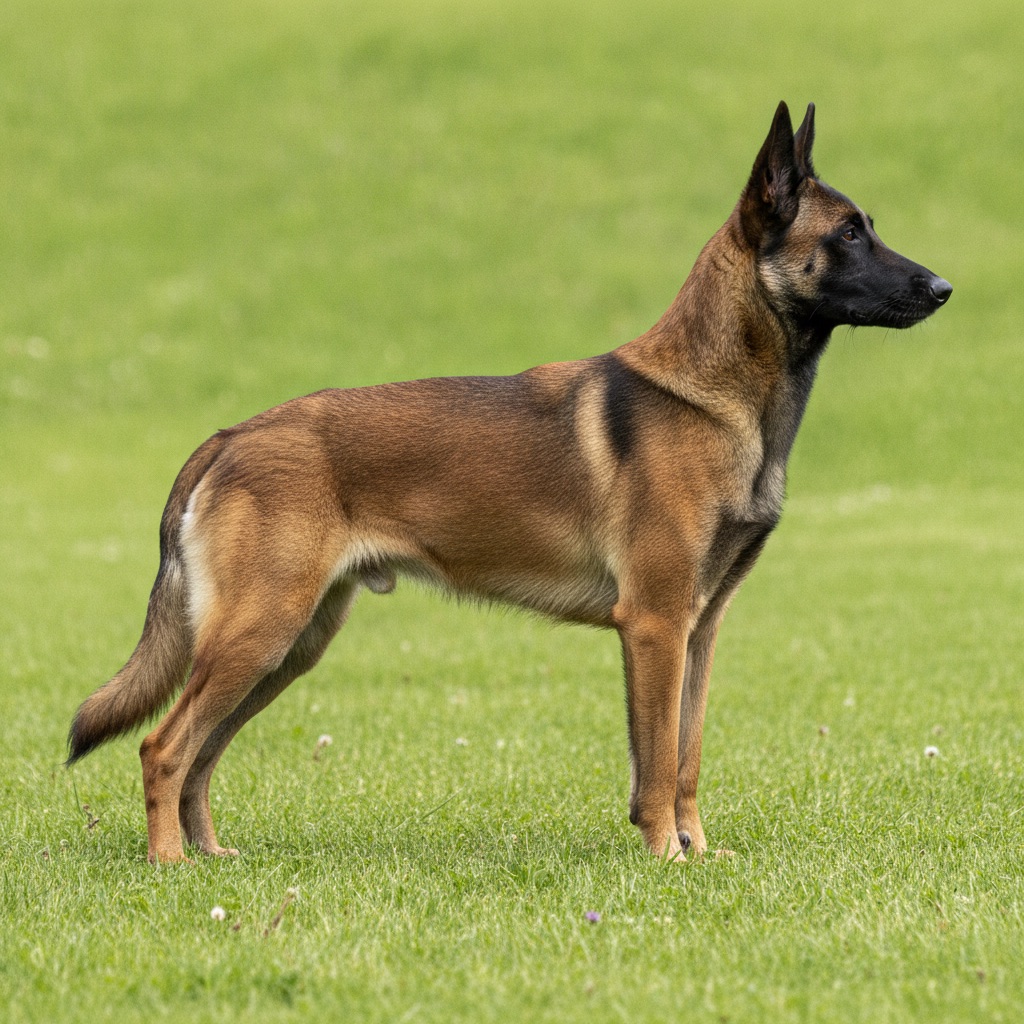
The AKC describes the Malinois as confident, smart and hardworking.1 The breed is defined by drive: an intense, self-renewing motivation to work that does not diminish with fatigue and is not satisfied by ordinary exercise.
Malinois are highly sensitive to their handler and learn extraordinarily fast, including behaviours they were not meant to learn. They are naturally inclined to herd and to bite in play, which requires deliberate management around children. Parent clubs consistently caution that the breed is unsuitable for most pet homes.3
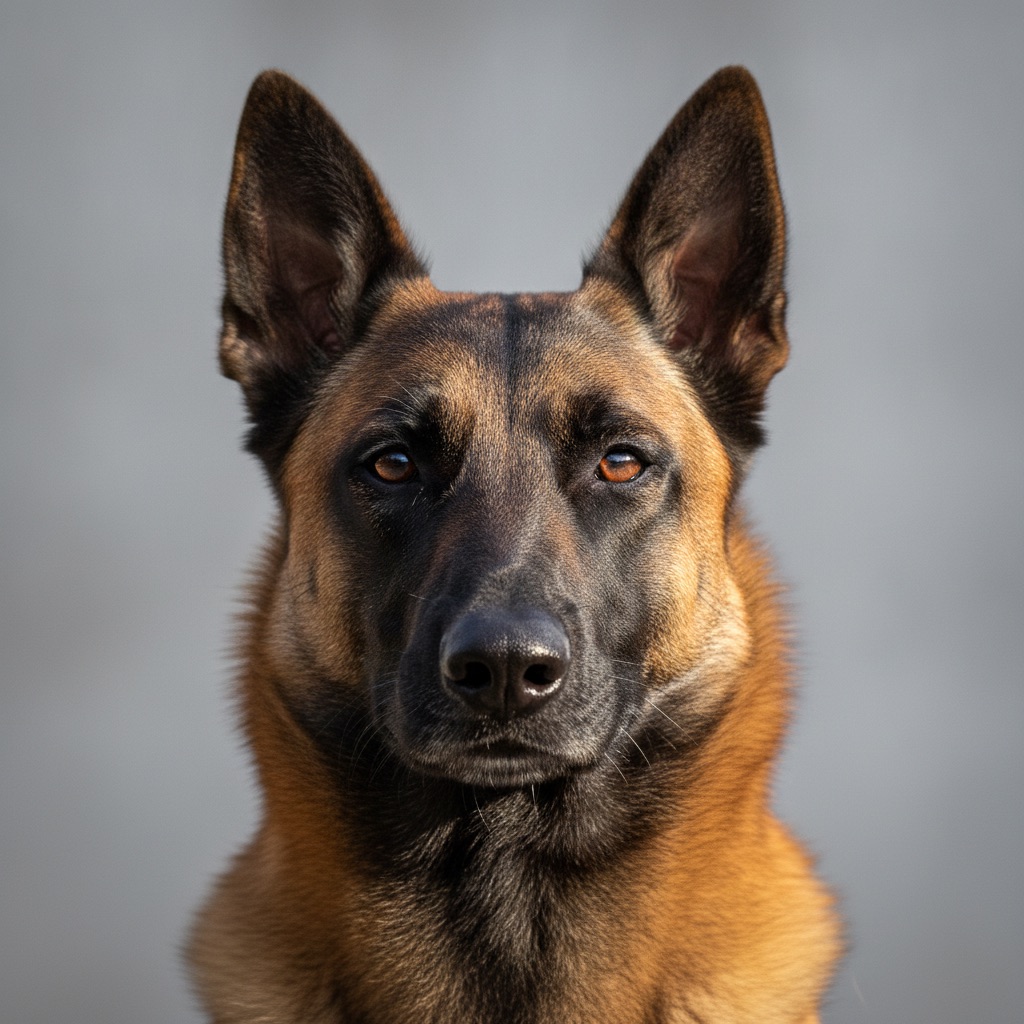
A Belgian Malinois named Cairo was part of the U.S. Navy SEAL team on the 2011 Abbottabad operation, which brought the breed sudden public attention and a wave of unsuitable adoptions.2
This breed needs one to two hours of structured work daily for its entire life. Rescue organisations are full of Malinois placed by well-meaning owners.
Tug, flirt pole, protection sport or detection work give the mouthiness a legitimate outlet. Suppression without substitution fails.
A Malinois learns constantly whether or not you are teaching. Establish rules, impulse control and a reliable settle in the first months.
Hip and elbow dysplasia, progressive retinal atrophy and epilepsy are the parent club's stated concerns.3
This guide is educational and is not veterinary advice. Breed standards, measurements and health information are drawn from the sources listed above; consult your veterinarian for guidance specific to your dog.
Prestige Breed makes a large breed multivitamin designed for breeds like the Belgian Malinois — see the Belgian Malinois Multivitamin.