The smallest of the AKC sporting breeds, the Cocker Spaniel was bred to flush and retrieve woodcock and has become one of the most enduringly popular family dogs in America.
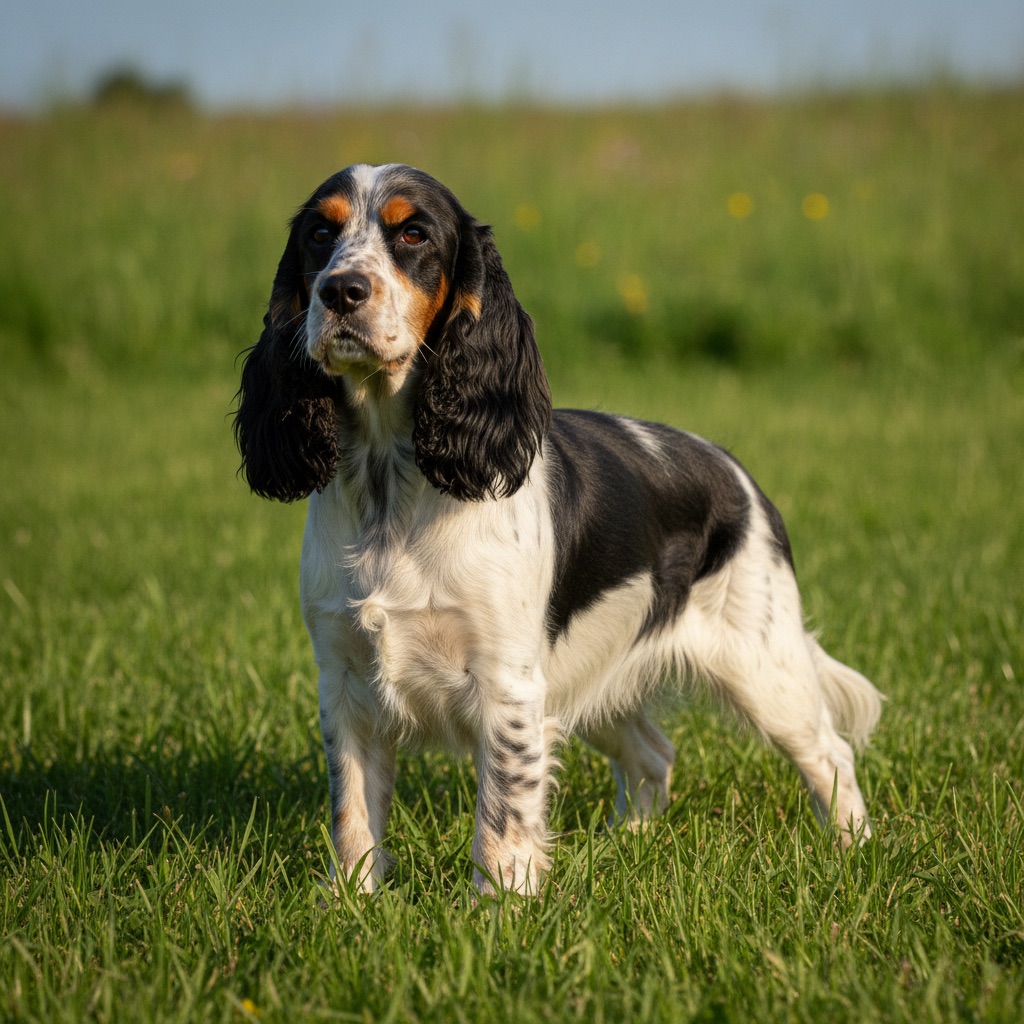

English land spaniels were divided by function, with the smallest working woodcock in dense cover. The Kennel Club formally separated Cockers from Springers by weight in 1892.2 American breeders subsequently selected for a smaller dog with a domed skull, shorter muzzle and heavier coat.
The divergence became formal in 1946, when the AKC recognised the English Cocker Spaniel and the American Cocker Spaniel as separate breeds; the AKC's bare name "Cocker Spaniel" refers to the American variety.1 The breed was the most registered dog in America for much of the 1940s and again in the 1980s, a popularity that produced widespread poor breeding.
From the woodcock, the game bird the smaller land spaniels were used to flush — "cocking spaniel" contracted to Cocker. "Spaniel" derives from the Old French espaigneul, "Spanish dog."2
| Life expectancy | 10–14 years |
|---|---|
| Height — male | 14.5–15.5 in (37–39 cm) |
| Height — female | 13.5–14.5 in (34–37 cm) |
| Weight — male | 25–30 lb (11–14 kg) |
| Weight — female | 20–25 lb (9–11 kg) |
| Coat type & colors | Silky, flat or slightly wavy, with heavy feathering; black, ASCOB, parti-colour and tan points |
| Shedding | Moderate to heavy |
| Exercise needs | Moderate — daily walks and play |
| Country of origin | United Kingdom / United States |
| AKC group | Sporting Group (AKC) |
| Prestige Breed size class | Small Breed · Under 25 lbs |
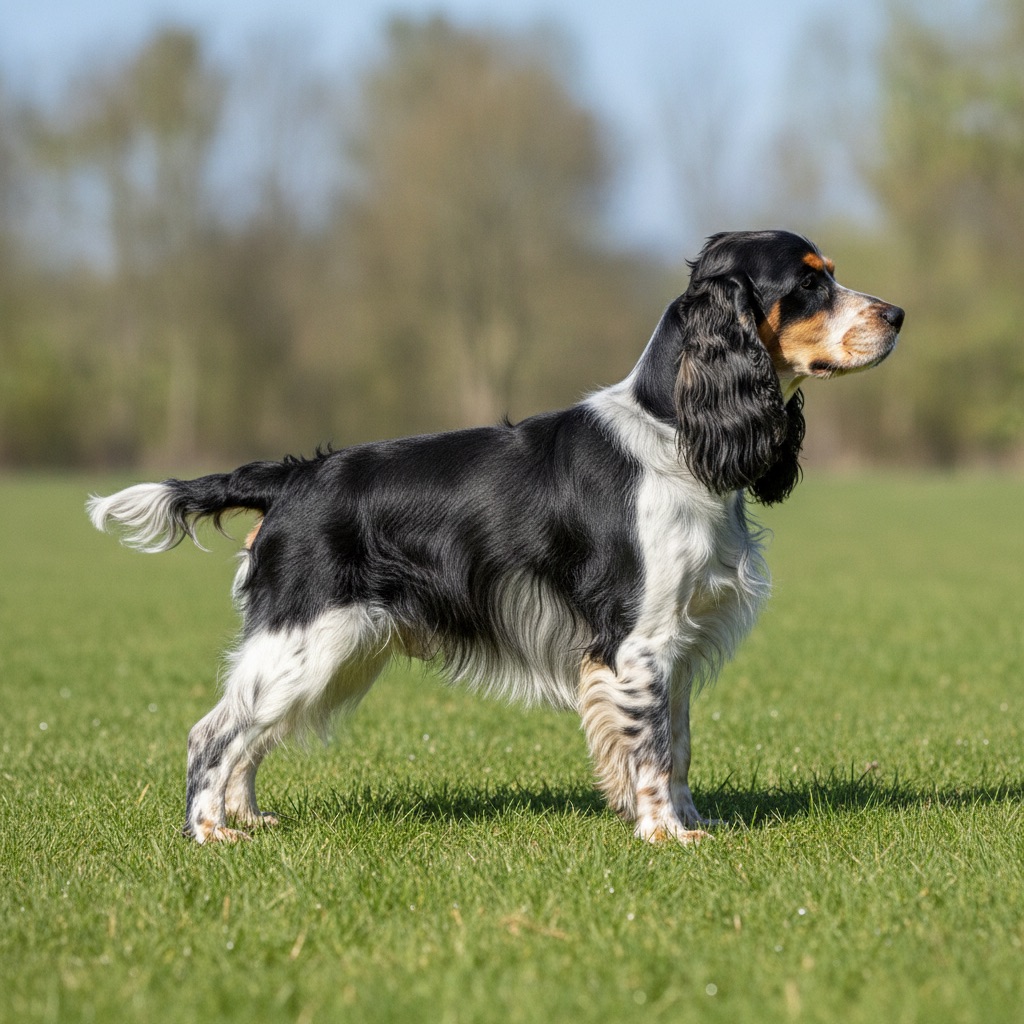
The AKC describes the Cocker Spaniel as gentle, smart and happy.1 The breed is affectionate, soft-natured and eager to please, and it remains a capable flushing dog in field-bred lines.
Cockers are sensitive dogs that respond poorly to harsh handling, and some poorly bred lines show timidity or submissive urination. They are attentive to their owners to the point of clinginess, and they tend to be enthusiastic barkers. Well-bred, well-socialised Cockers are among the most equable of the small sporting breeds.
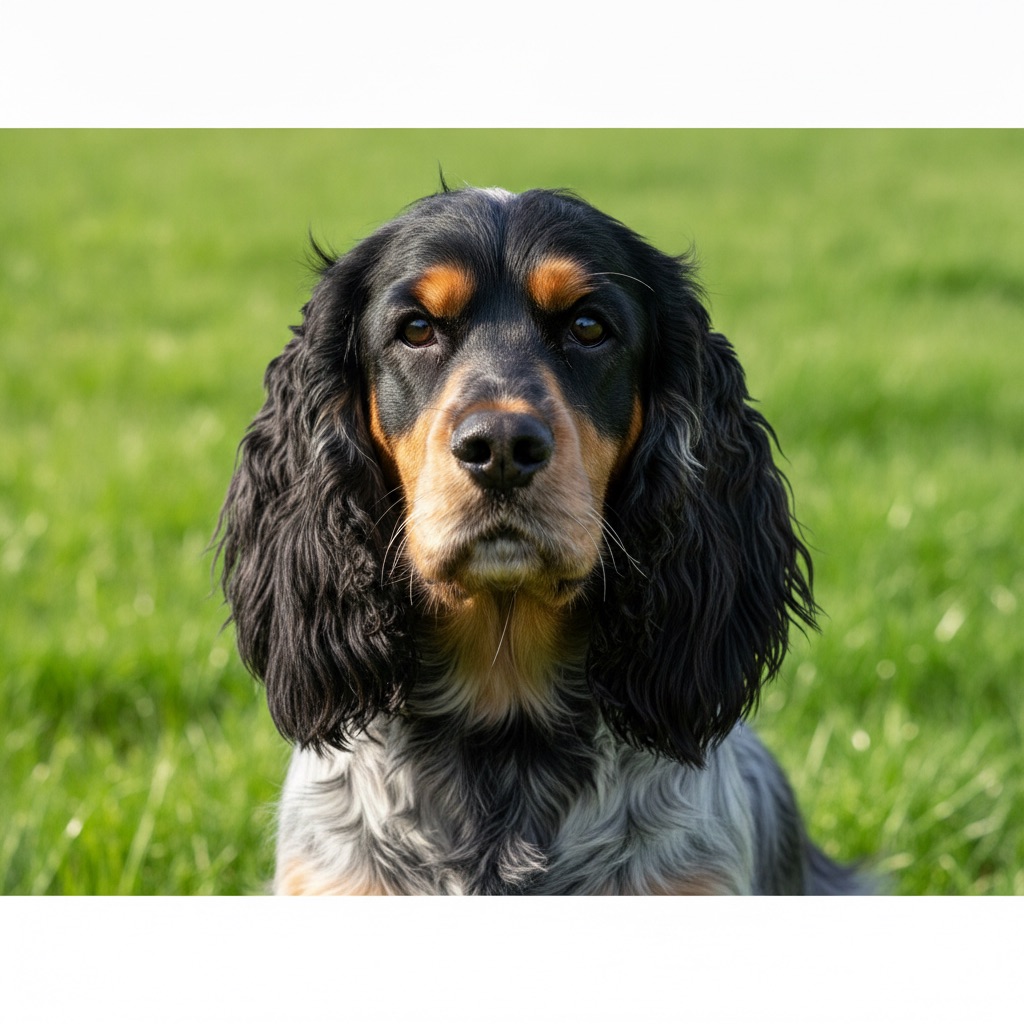
Lady, of Disney's 1955 Lady and the Tramp, is an American Cocker Spaniel, and the film is widely credited with driving the breed to the top of American registrations for a second time.2
Long, heavy, feathered drop ears make chronic otitis externa the breed's single most common health complaint. Inspect and clean routinely.3
The heavy feathering on ears, legs and belly mats readily. Brushing several times a week plus clipping every six to eight weeks.
Two popularity booms produced a great deal of poor breeding. Insist on eye, hip and cardiac clearances and meet the parents.3
Progressive retinal atrophy, glaucoma and cataracts are all documented in the breed and are screened by responsible breeders.3
This guide is educational and is not veterinary advice. Breed standards, measurements and health information are drawn from the sources listed above; consult your veterinarian for guidance specific to your dog.
Prestige Breed makes a small breed multivitamin designed for breeds like the Cocker Spaniel — see the Cocker Spaniel Multivitamin.