The smallest and most popular of Japan's six native breeds, the Shiba Inu is a compact mountain hunting dog with a fox-like face, a curled tail and a famously self-possessed temperament.
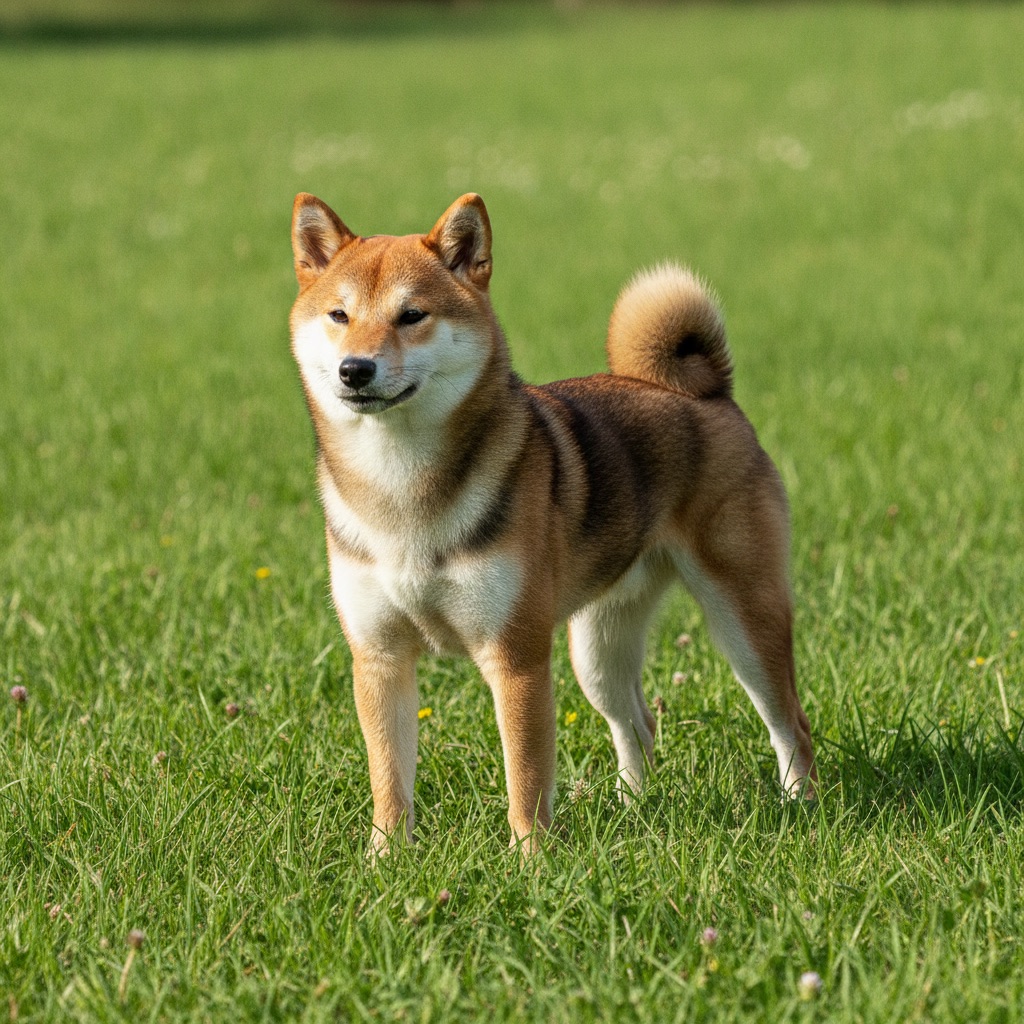

Small spitz-type hunting dogs have existed in Japan for millennia; remains associated with the Jōmon period suggest continuity of the type from around 7000 BCE.2 The Shiba was used in the mountainous regions of central Japan to flush birds and small game and occasionally to hunt boar.
Western imports and crossbreeding in the Meiji era, followed by the Second World War and a post-war distemper epidemic, brought the breed close to extinction. The modern Shiba was reconstructed in the 1940s and 1950s from three surviving regional bloodlines — Shinshu, Mino and San'in.2 It was declared a Natural Monument of Japan in 1936 and recognised by the AKC in 1992.1
Inu means dog. Shiba is variously explained as an old word for brushwood — the terrain the dogs hunted in, and the colour of autumn brushwood, which matches the red coat — or as a regional dialect word simply meaning small. All readings are plausible and none is settled.2
| Life expectancy | 13–16 years |
|---|---|
| Height — male | 14.5–16.5 in (37–42 cm) |
| Height — female | 13.5–15.5 in (34–39 cm) |
| Weight — male | 23 lb (10 kg) |
| Weight — female | 17 lb (8 kg) |
| Coat type & colors | Stiff, straight double coat; red, sesame, black and tan, cream, all with cream urajiro markings |
| Shedding | Heavy — dramatic twice-yearly coat blow |
| Exercise needs | Moderate — daily walks and secure running |
| Country of origin | Japan |
| AKC group | Non-Sporting Group (AKC) |
| Prestige Breed size class | Medium Breed · 25 – 60 lbs |
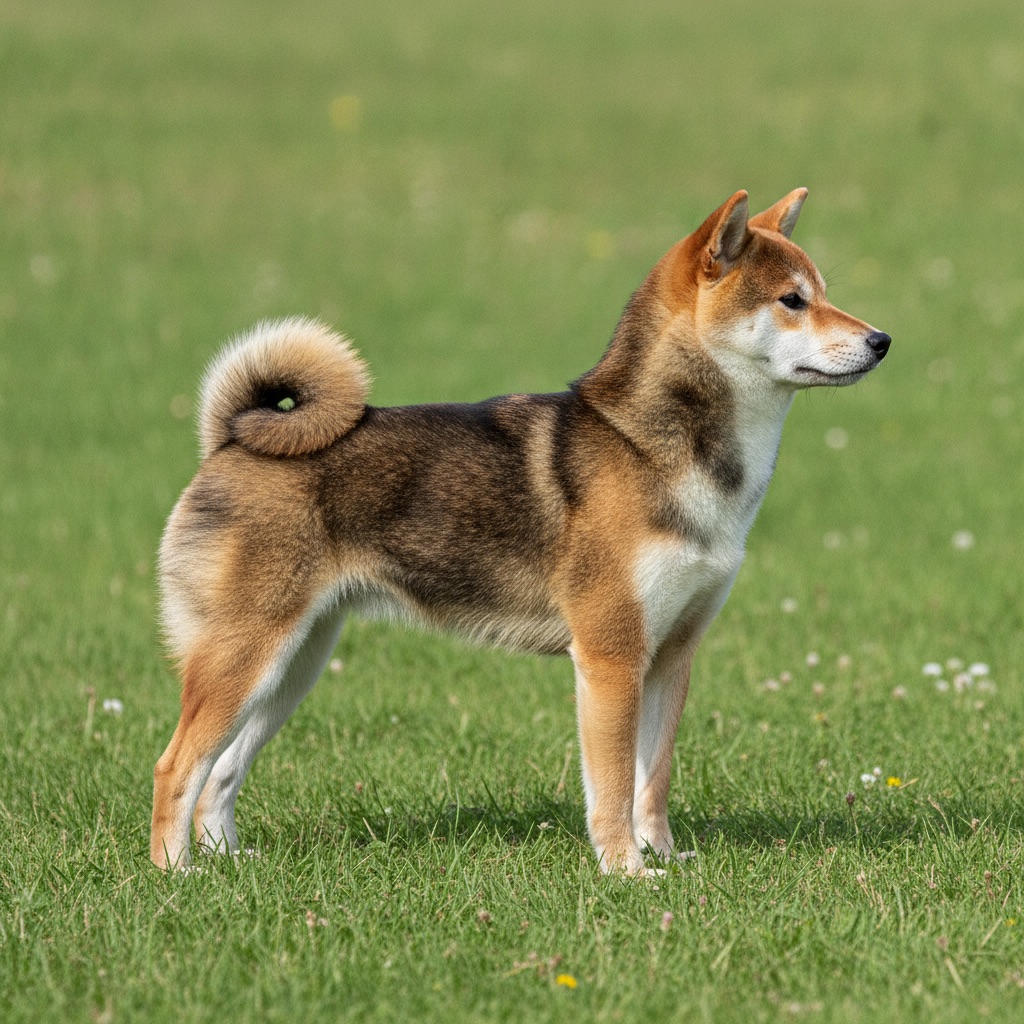
The AKC describes the Shiba Inu as alert, active and attentive.1 The breed is confident and self-contained — affectionate on its own terms, undemonstrative, and famously indifferent to instruction it sees no reason to follow.
Shibas are meticulously clean, often housetraining themselves quickly, and are frequently compared to cats. They are possessive of food and toys, commonly intolerant of other dogs of the same sex, and have a strong prey drive with unreliable recall. The breed is also known for the "Shiba scream," a piercing vocalisation of protest.
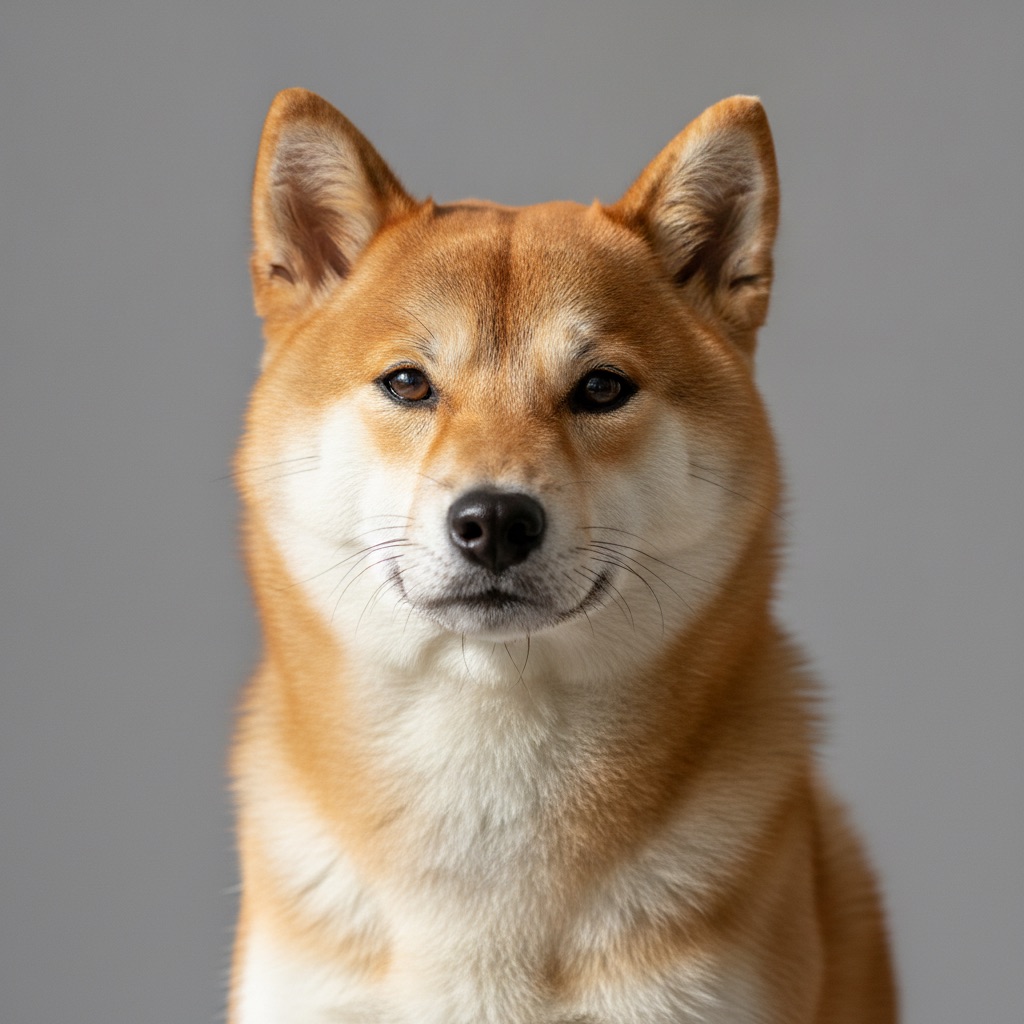
A Shiba Inu named Kabosu, photographed by her owner in 2010, became the "doge" internet meme and subsequently the emblem of a cryptocurrency — arguably the most widely reproduced image of any individual dog.2
Prey drive and independence make the Shiba a well-known bolter. Secure fencing and a leash are standard practice.
Teach trade-and-swap games from puppyhood rather than confronting a Shiba over food or possessions.
Twice yearly the undercoat comes out in sheets. Daily raking during those weeks; weekly brushing otherwise.
Shibas resist restraint. Practise nail trims, grooming and veterinary handling from an early age.3
This guide is educational and is not veterinary advice. Breed standards, measurements and health information are drawn from the sources listed above; consult your veterinarian for guidance specific to your dog.
Prestige Breed makes a medium breed multivitamin designed for breeds like the Shiba Inu — see the Shiba Inu Multivitamin.