A spitz in miniature, the Pomeranian was bred down from sizeable Arctic sled dogs to a five-pound companion within a single century — largely at the instigation of Queen Victoria.
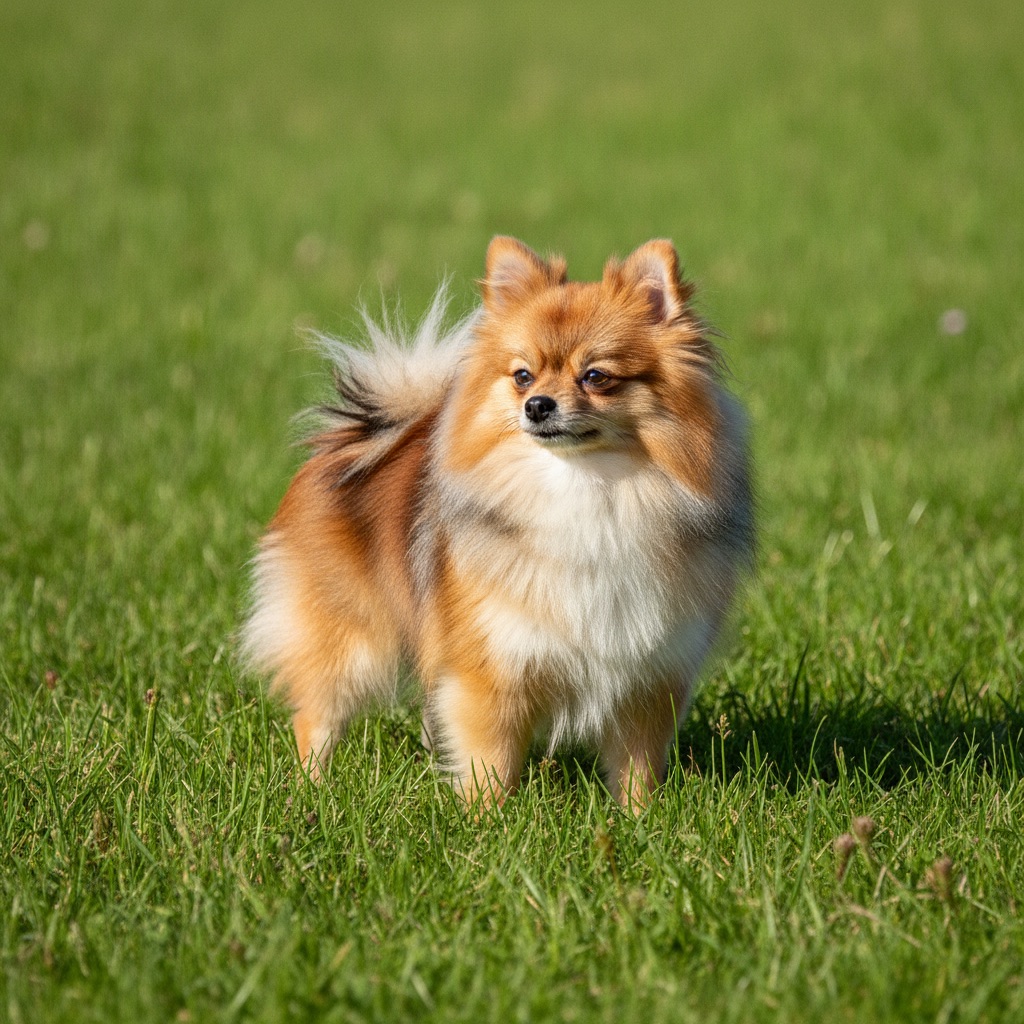

The breed descends from the large German Spitz working dogs of Pomerania, a Baltic region now divided between Germany and Poland, where the dogs weighed twenty to thirty pounds and herded and guarded.2 Early British imports in the eighteenth century, including dogs kept by Queen Charlotte, were of this larger size.
Queen Victoria acquired a notably small Pomeranian, Marco, in Florence in 1888 and exhibited him; her preference for small dogs drove a documented reduction in the breed's average size of roughly fifty per cent during her reign.2 The AKC recognised the Pomeranian in 1888.1 Two Pomeranians were among the three dogs to survive the sinking of the Titanic.
Named for Pomerania — Pommern in German, Pomorze in Polish — the Baltic coastal region where the larger ancestral spitz was developed. The breed did not originate there in its present miniature form; the name records the source of the foundation stock.2
| Life expectancy | 12–16 years |
|---|---|
| Height — male | 6–7 in (15–18 cm) |
| Height — female | 6–7 in (15–18 cm) |
| Weight — male | 3–7 lb (1.4–3.2 kg) |
| Weight — female | 3–7 lb (1.4–3.2 kg) |
| Coat type & colors | Profuse double coat with a stand-off outer coat and dense undercoat; over twenty accepted colours |
| Shedding | Heavy for the size, with seasonal moults |
| Exercise needs | Low to moderate — short walks and play |
| Country of origin | Germany / Poland (Pomerania) |
| AKC group | Toy Group (AKC) |
| Prestige Breed size class | Small Breed · Under 25 lbs |
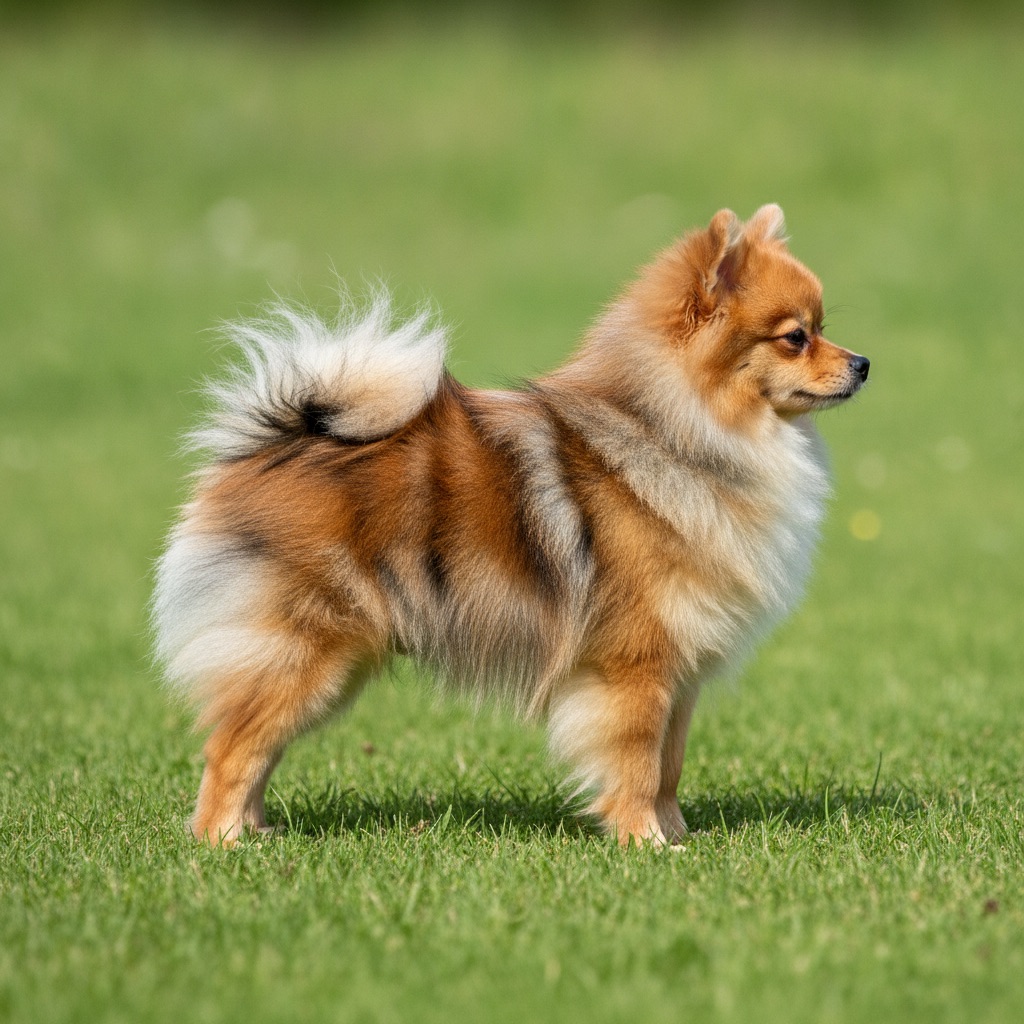
The AKC describes the Pomeranian as inquisitive, bold and lively.1 The breed retains a full spitz personality — alert, opinionated, vocal and entirely unaware of its size.
Pomeranians are intelligent and train readily but are quick to bark at anything and everything, which requires early management. They can be pushy with larger dogs, which is a safety issue rather than a behavioural one. They are affectionate and highly attentive to their owners.
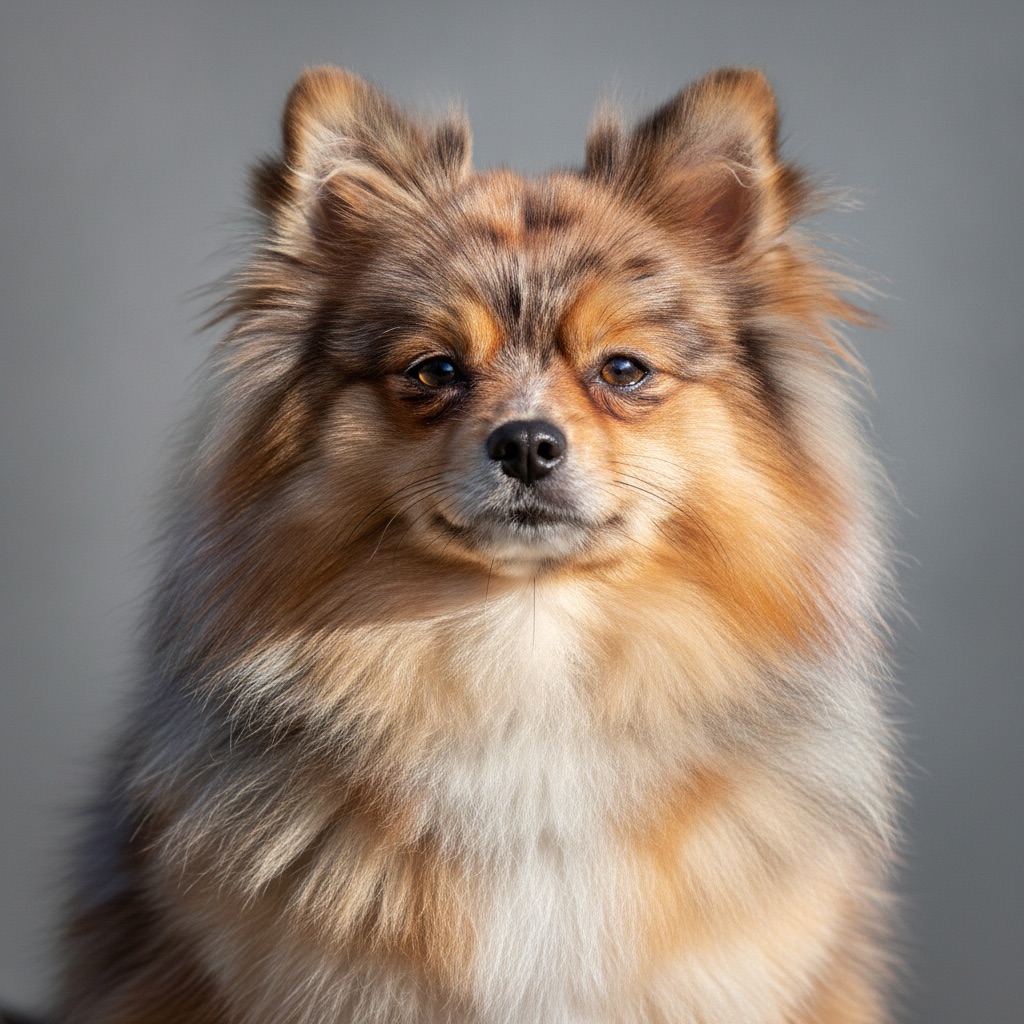
Queen Victoria's enthusiasm shrank the breed by roughly half within her lifetime; when she died in 1901, her Pomeranian Turi was brought to her deathbed at her request.2
Shaving a Pomeranian risks post-clipping alopecia, in which the coat regrows patchily or not at all. Brush and rake instead.3
Alert barking is instinctive and self-reinforcing. Teach a quiet cue in puppyhood.
Patellar luxation and collapsing trachea are the breed's most common orthopaedic and respiratory issues. Use a harness.3
A confident three-pound dog challenging a Labrador is a genuine hazard. Manage introductions.
This guide is educational and is not veterinary advice. Breed standards, measurements and health information are drawn from the sources listed above; consult your veterinarian for guidance specific to your dog.
Prestige Breed makes a small breed multivitamin designed for breeds like the Pomeranian — see the Pomeranian Multivitamin.