"Pit bull" is a category rather than a single breed, most often referring to the American Pit Bull Terrier and its close relatives — muscular, short-coated bull-and-terrier dogs of nineteenth-century British origin.
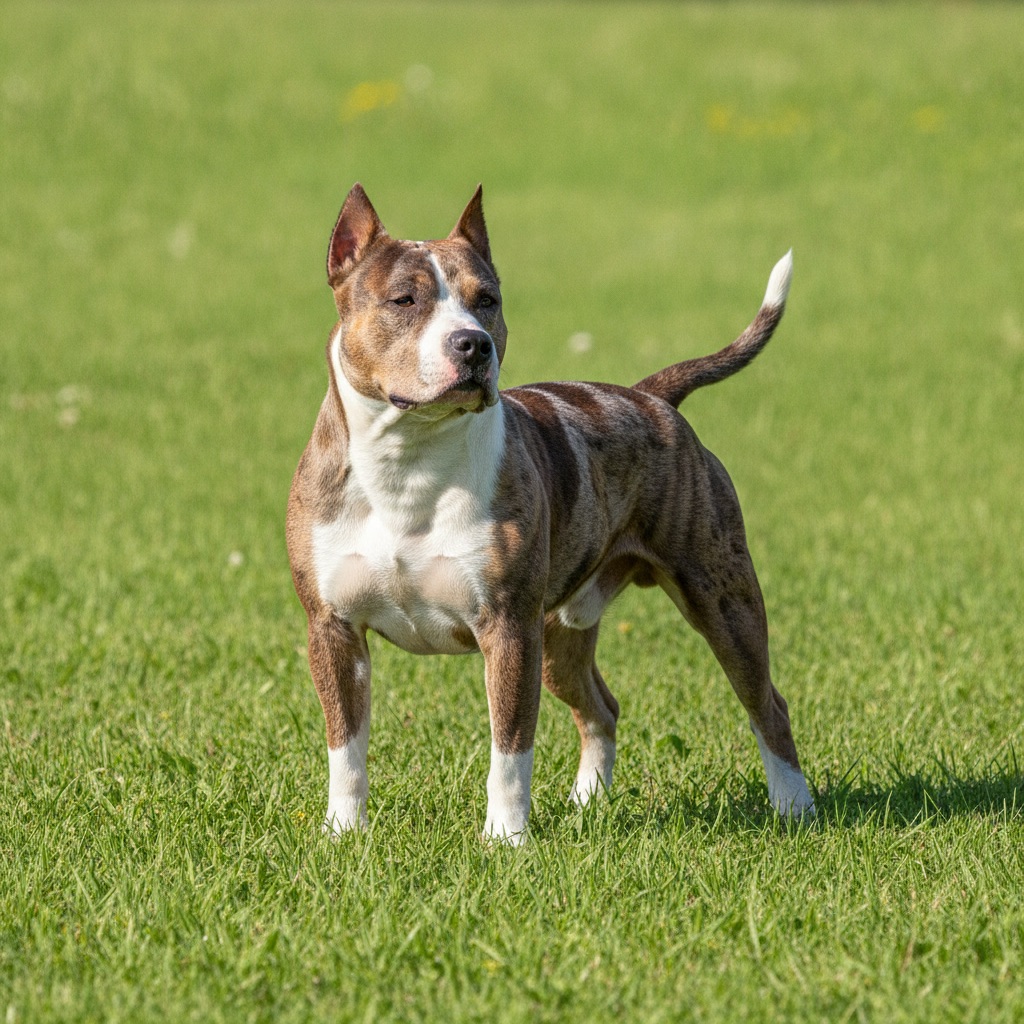

The bull-and-terrier type was created in early nineteenth-century Britain by crossing bulldogs with terriers, producing a dog with the grip of the former and the agility of the latter. These dogs were used in the blood sports of bull-baiting and, after those were outlawed by the Cruelty to Animals Act 1835, in dog fighting.2
Immigrants carried the type to the United States, where it was worked as a farm and catch dog as well as fought. The United Kennel Club registered the American Pit Bull Terrier in 1898.3 The AKC recognised a show-bred line under the separate name Staffordshire Terrier in 1936, renamed American Staffordshire Terrier in 1972; the AKC does not register the American Pit Bull Terrier.1 The dogs served as a widely used American mascot in the early twentieth century, including the Second World War recruitment imagery.
The term is descriptive and historical: "bull" for the bulldog ancestry and the baiting sports, "pit" for the enclosed ring in which those contests were held. Because the label is applied by appearance rather than pedigree, it now covers several distinct registered breeds and a large population of mixed-breed dogs, which complicates both statistics and legislation.2
| Life expectancy | 12–14 years |
|---|---|
| Height — male | 18–21 in (46–53 cm) |
| Height — female | 17–20 in (43–51 cm) |
| Weight — male | 35–60 lb (16–27 kg) |
| Weight — female | 30–50 lb (14–23 kg) |
| Coat type & colors | Short, stiff, glossy; nearly all colours and patterns |
| Shedding | Moderate, year-round |
| Exercise needs | High — strength and stamina work |
| Country of origin | United Kingdom / United States |
| AKC group | Terrier Group (AKC, as American Staffordshire Terrier) |
| Prestige Breed size class | Large Breed · Over 60 lbs |
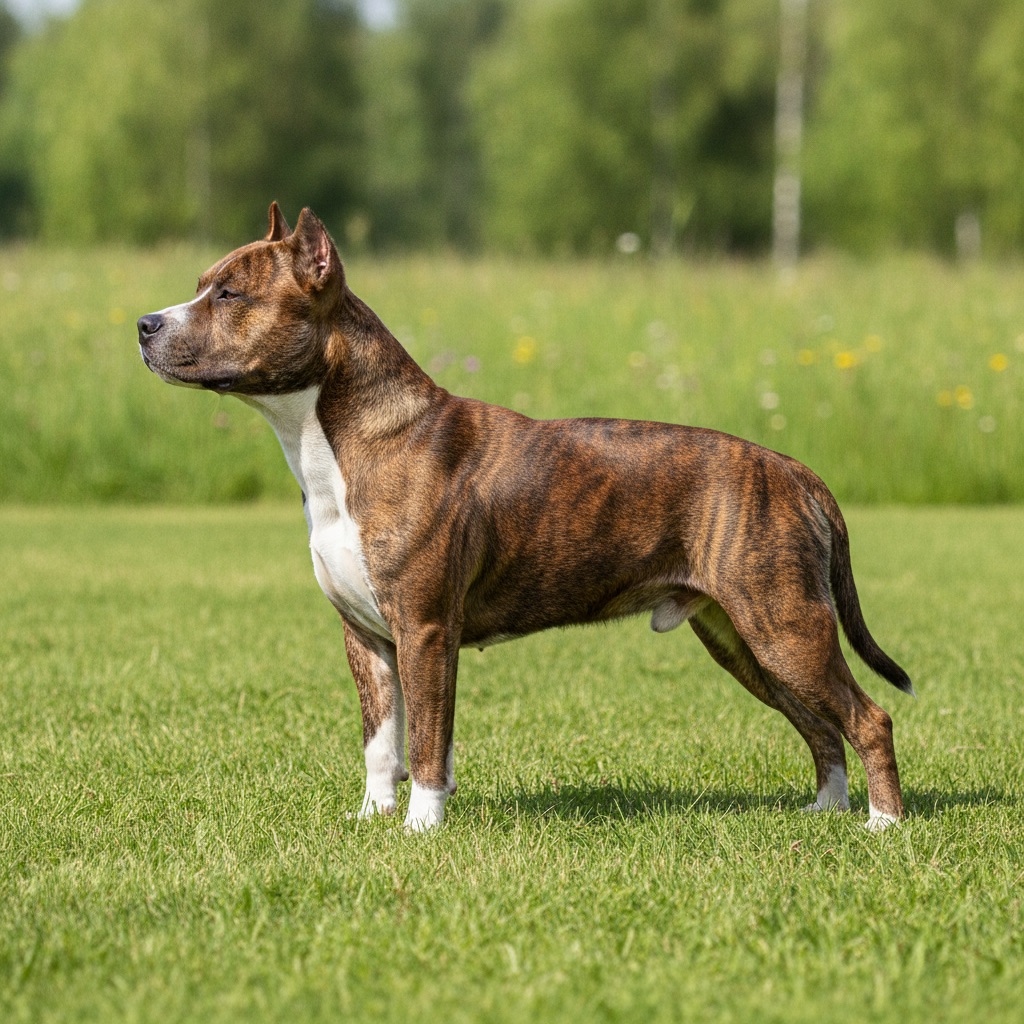
The American Temperament Test Society, which evaluates stability and reactivity across breeds, records pass rates for the American Pit Bull Terrier and American Staffordshire Terrier at or above the all-breed average.4 Well-bred and well-raised dogs of this type are characteristically people-oriented, confident and highly demonstrative.
The type's fighting history left a genuine legacy of dog-directed reactivity in some individuals, which is a training and management question rather than a temperament verdict. These are strong, high-drive dogs that require consistent handling, early socialisation and an owner honest about their needs. Breed-specific legislation applies in some jurisdictions; check local law and insurance before acquiring one.
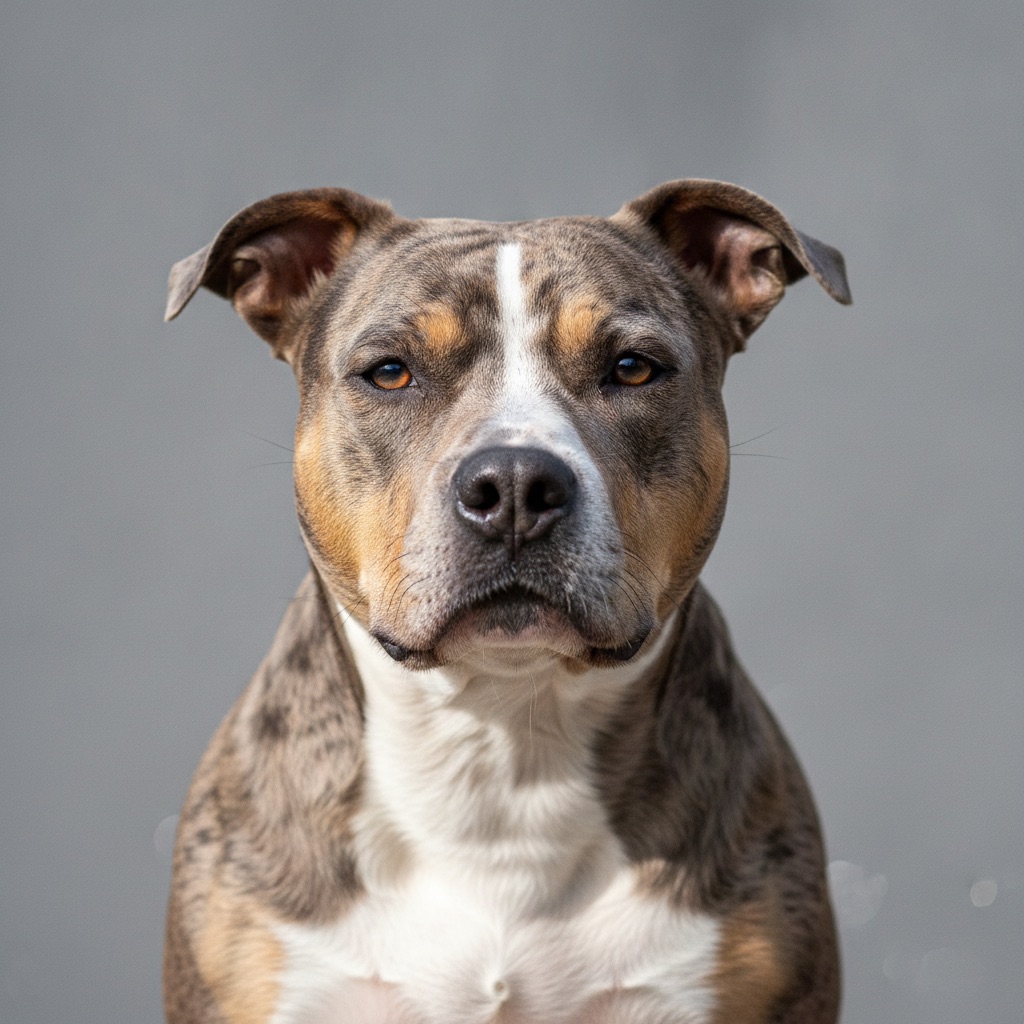
Sergeant Stubby, the most decorated American war dog of the First World War, was a bull-and-terrier type stray who served eighteen months at the front and was later received at the White House.2
Assume nothing about tolerance of other dogs. Controlled introductions, secure fencing and honest assessment prevent the incidents that damage the type's reputation.
A 55-pound dog with this musculature must have reliable leash manners and a solid recall. Weight pull, agility and structured obedience channel the drive.
Breed-specific ordinances, rental restrictions and insurance exclusions vary widely by city and state. Verify before you commit.
Short-coated bull breeds are prone to allergic and contact dermatitis. Note recurring itching, ear infections or paw licking early.
This guide is educational and is not veterinary advice. Breed standards, measurements and health information are drawn from the sources listed above; consult your veterinarian for guidance specific to your dog.
Prestige Breed makes a large breed multivitamin designed for breeds like the Pit Bull — see the Pit Bull Multivitamin.