A Tibetan monastery sentinel with a floor-length coat, the Lhasa Apso spent a thousand years as an indoor alarm dog — and retains every bit of the watchfulness that implies.
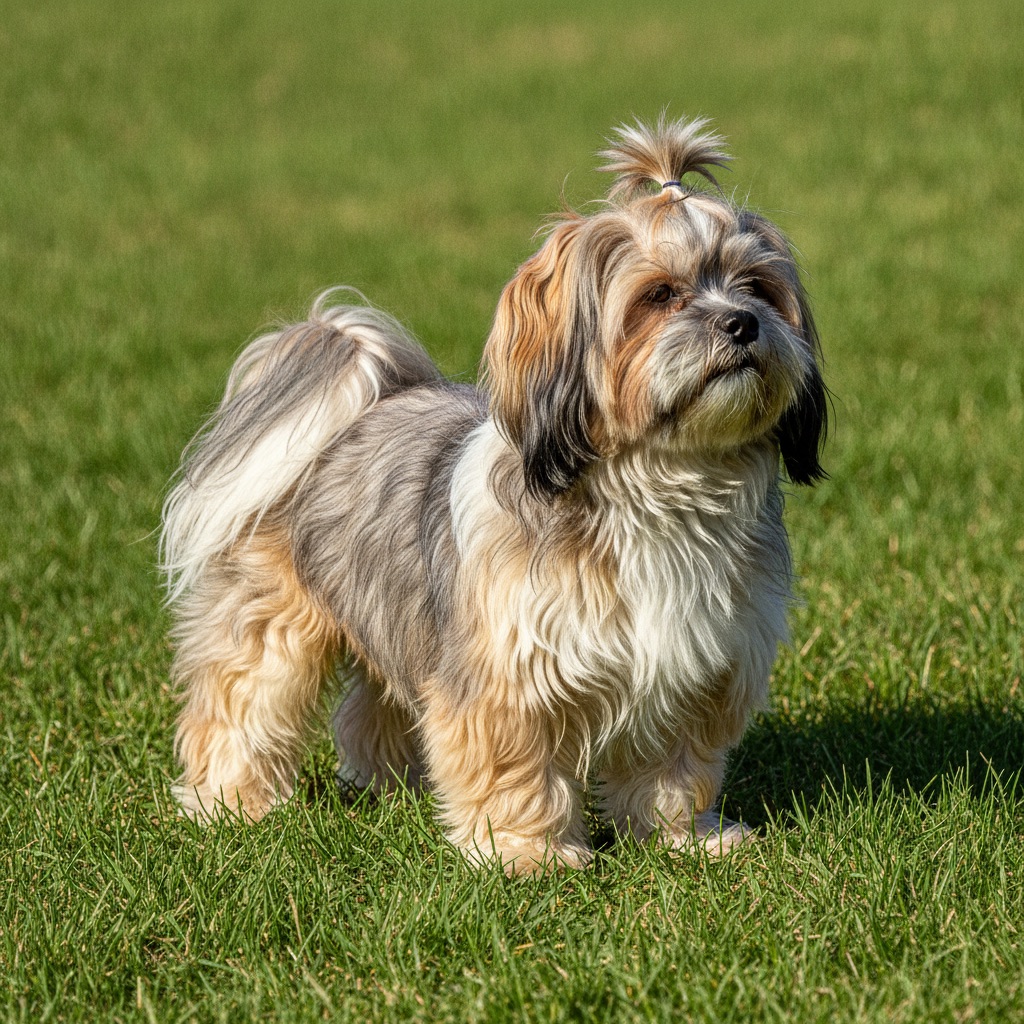

The breed was developed in Tibet, where it served in Buddhist monasteries and in the households of the nobility as an interior watchdog: the Tibetan Mastiff guarded the gate, and the Lhasa Apso, with acute hearing and a distrust of strangers, raised the alarm inside.2 Tibetans believed the souls of lamas could be reborn in the dogs, and they were not sold — only given as gifts.
The 13th Dalai Lama presented Lhasa Apsos to American visitors in the 1930s, including Charles Suydam Cutting, whose pair founded the breed in the United States.2 The AKC recognised the Lhasa Apso in 1935.1
Lhasa is the Tibetan capital and sacred city. "Apso" is disputed: it may derive from a Tibetan word for a bearded or goat-like coat — rapso — or from abso seng kye, "bark lion sentinel dog." Both readings point to the coat and the sentinel role.2
| Life expectancy | 12–15 years |
|---|---|
| Height — male | 10–11 in (25–28 cm) |
| Height — female | slightly smaller than males |
| Weight — male | 12–18 lb (5–8 kg) |
| Weight — female | 12–18 lb (5–8 kg) |
| Coat type & colors | Heavy, straight, hard, dense, floor-length; all colours |
| Shedding | Low — hair grows continuously |
| Exercise needs | Low to moderate — short daily walks |
| Country of origin | Tibet |
| AKC group | Non-Sporting Group (AKC) |
| Prestige Breed size class | Small Breed · Under 25 lbs |
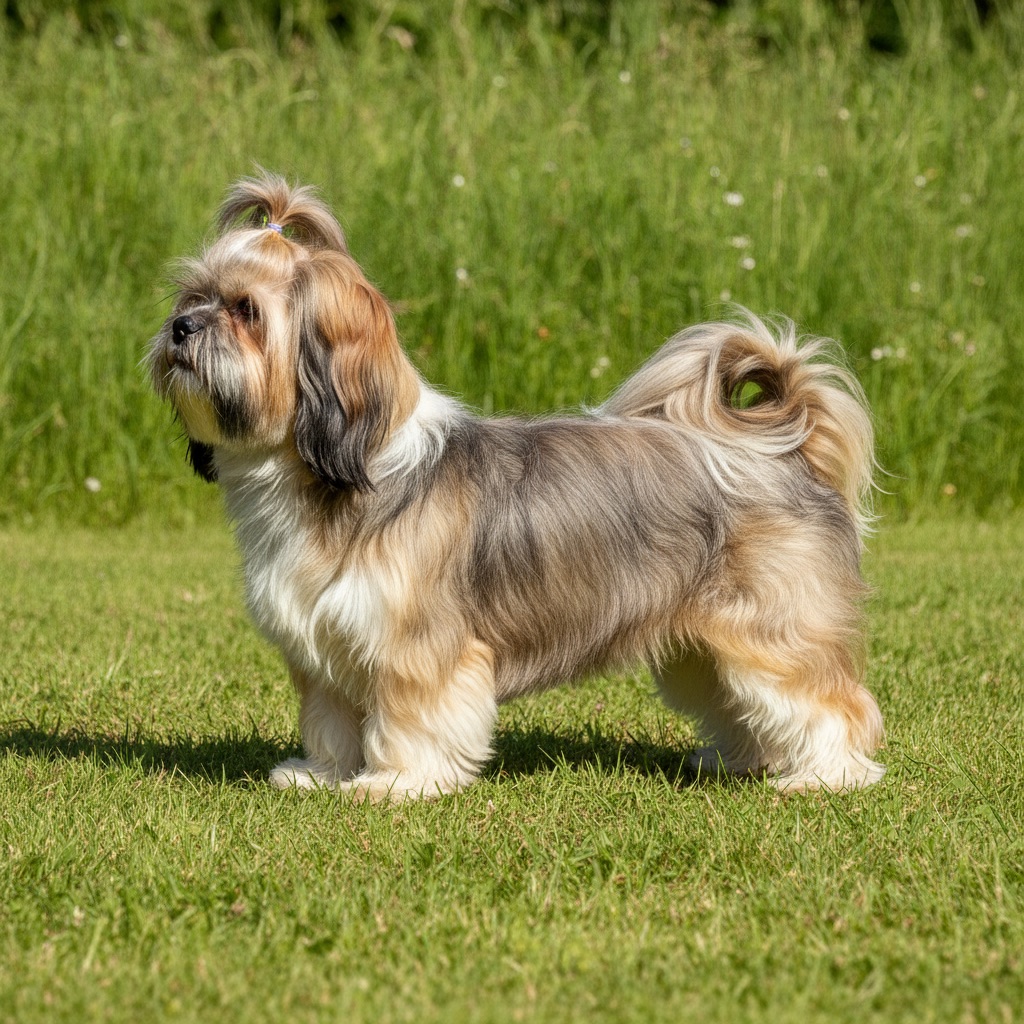
The AKC describes the Lhasa Apso as confident, smart and comical.1 A thousand years of sentinel work produced a dog that is devoted to its own household and genuinely suspicious of everyone else — the breed does not offer indiscriminate friendliness.
Lhasas are independent and slow to mature, often not settling until three years old. They are assertive for their size and will not tolerate rough handling from children. Well-socialised, they are affectionate, playful and steady; poorly socialised, they become sharp and reactive.
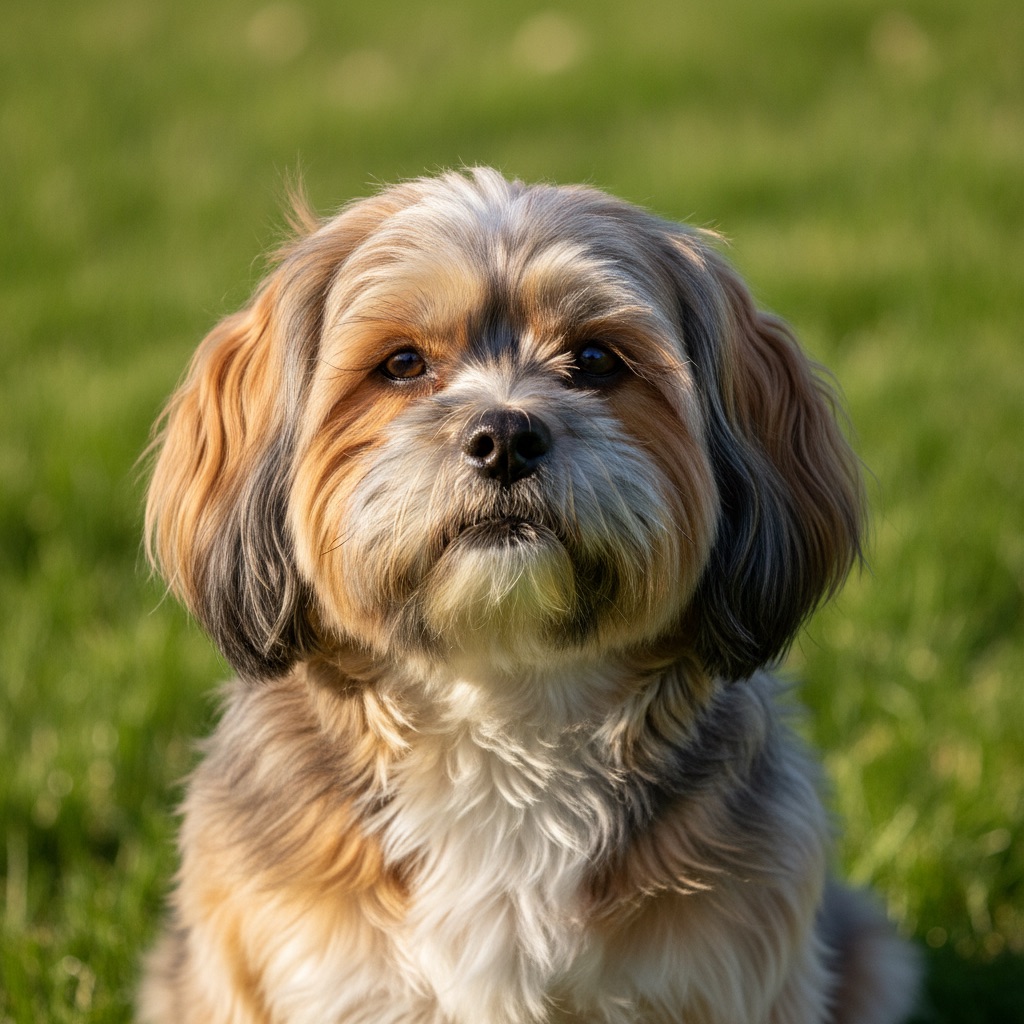
Tibetan tradition held that the Lhasa Apso could not be bought or sold — the dogs were given only as gifts, which is why the breed reached the West so late and through so few individuals.2
The breed's natural suspicion of strangers is functional, not a fault, but it needs shaping into calm neutrality through early exposure.
A floor-length hard coat requires daily line-brushing. Most pet owners keep a puppy clip, which is entirely acceptable.
Hereditary renal dysplasia, progressive retinal atrophy and dry eye are documented in the breed and screened by responsible breeders.3
Long facial hair over the eyes collects debris. Trim or tie it and wipe the eye area daily.
This guide is educational and is not veterinary advice. Breed standards, measurements and health information are drawn from the sources listed above; consult your veterinarian for guidance specific to your dog.
Prestige Breed makes a small breed multivitamin designed for breeds like the Lhasa Apso — see the Lhasa Apso Multivitamin.