A short-legged Welsh cattle herder with a fox-like head and outsized personality, the Pembroke Welsh Corgi drove stock by nipping heels and ducking the kick.
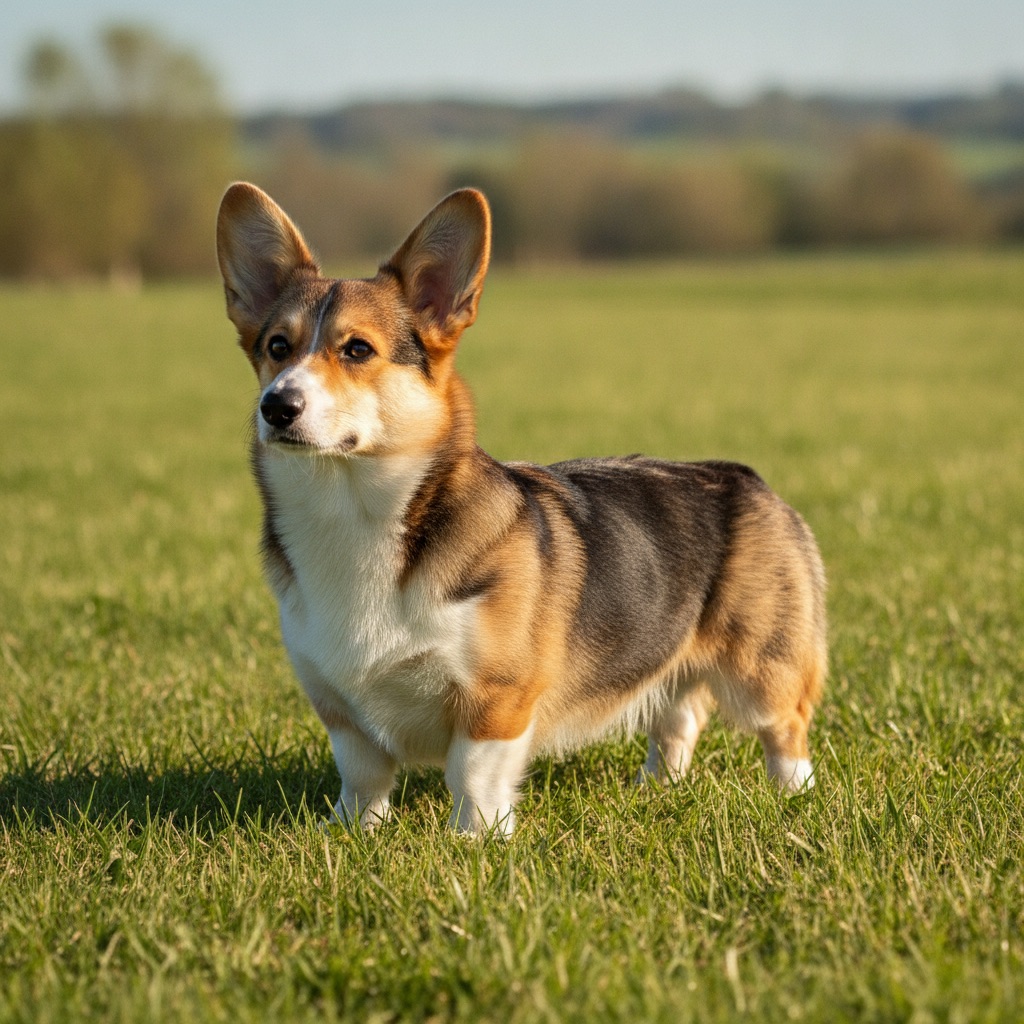

Corgis worked cattle in Pembrokeshire, in southwest Wales, driving stock to market by nipping at the heels — a low body being an advantage when the animal kicks. The Pembroke's ancestry is generally traced to spitz-type dogs brought by Flemish weavers who settled in Wales from the twelfth century, while the separate Cardigan Welsh Corgi has older, distinct roots.2
The two Corgis were shown as one breed until the Kennel Club separated them in 1934.2 The Pembroke's modern prominence owes much to the British royal family: Elizabeth II received her first, Susan, in 1944 and owned more than thirty descendants over her reign.1 The AKC recognised the breed in 1934.
"Corgi" is Welsh, most commonly read as cor gi — "dwarf dog." An alternative reading takes cor from a word for "to watch over," giving "watch dog." Pembroke identifies the Welsh county of origin and distinguishes the breed from the Cardigan Welsh Corgi.2
| Life expectancy | 12–13 years |
|---|---|
| Height — male | 10–12 in (25–30 cm) |
| Height — female | 10–12 in (25–30 cm) |
| Weight — male | up to 30 lb (14 kg) |
| Weight — female | up to 28 lb (13 kg) |
| Coat type & colors | Medium-length weatherproof double coat; red, sable, fawn, black and tan, with or without white |
| Shedding | Heavy, year-round with seasonal peaks |
| Exercise needs | Moderate to high — a working herder in a short frame |
| Country of origin | Wales |
| AKC group | Herding Group (AKC) |
| Prestige Breed size class | Medium Breed · 25 – 60 lbs |
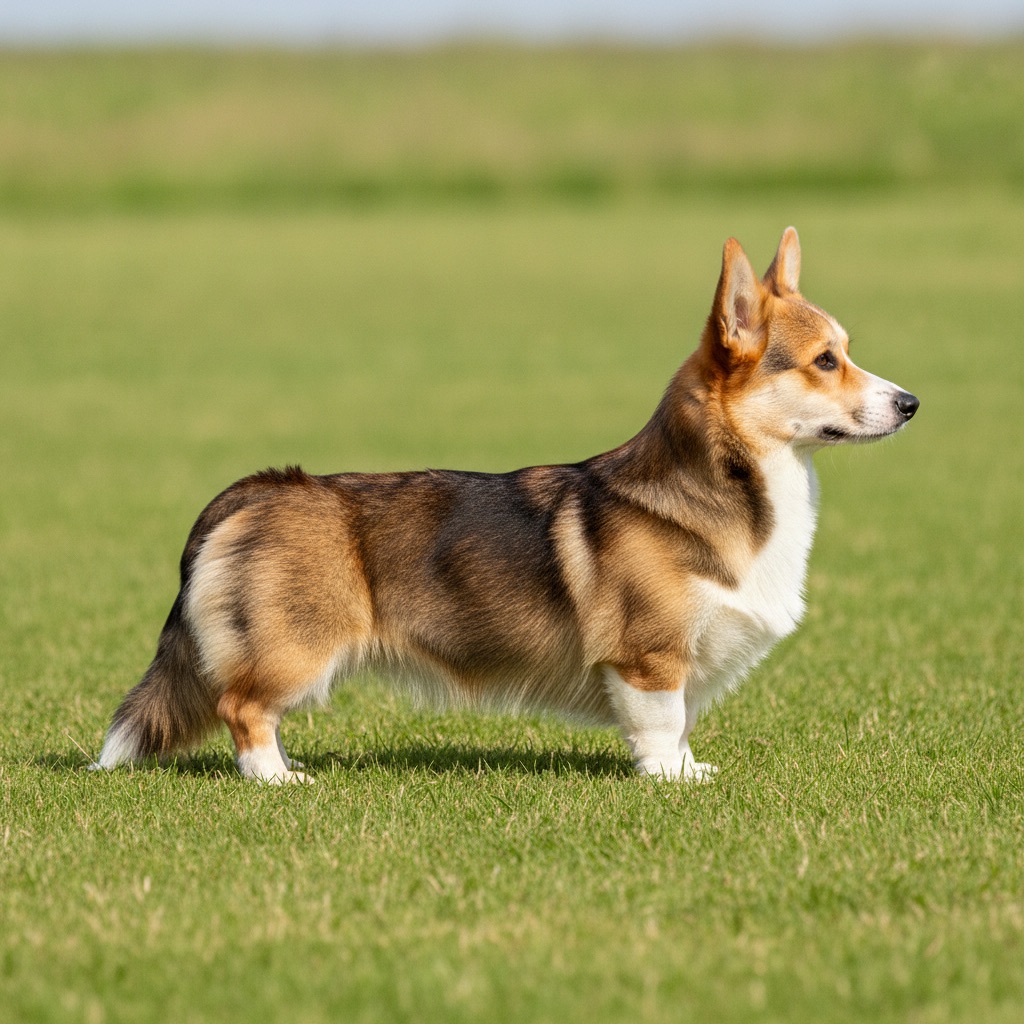
The AKC describes the Pembroke as affectionate, smart and alert.1 Corgis are outgoing, confident and highly vocal — they were bred to move cattle and they use their voice to do it.
The breed is intelligent and trains readily but has a strong independent streak and a low tolerance for boredom. The heeling instinct persists, directed at ankles, children and other pets, and needs early redirection. Corgis are notably food-motivated, which helps in training and hurts at the waistline.
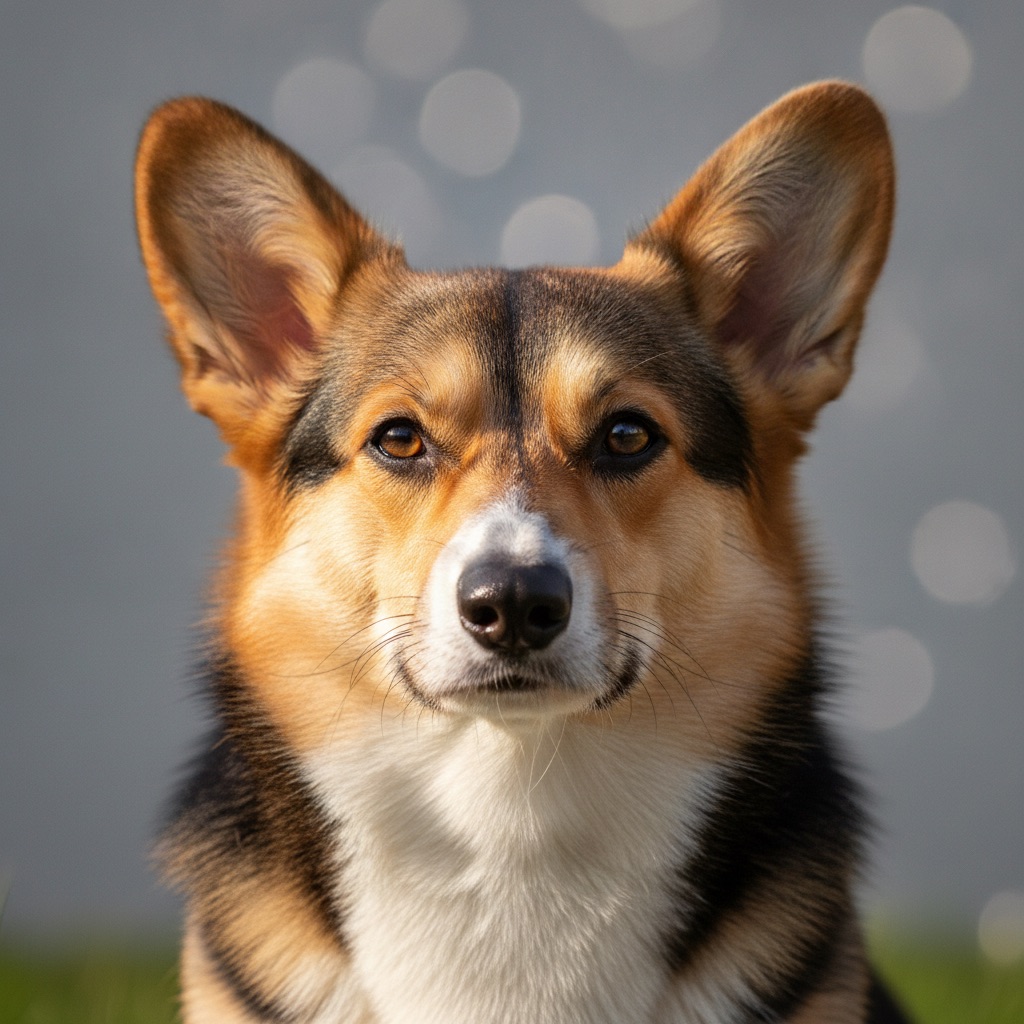
The Corgi's short legs are the result of a well-characterised gene mutation causing chondrodysplasia — the same disproportionate dwarfism found in Dachshunds and Basset Hounds.2
The long spine and short legs make intervertebral disc disease a real risk. Discourage jumping off furniture and use ramps where possible.3
Excess weight sharply increases spinal and joint problems in a chondrodysplastic breed. Corgis gain weight very easily.
The double coat sheds continuously and dramatically twice a year. Weekly deshedding is a minimum.
Alert barking is instinctive. Teach a "quiet" cue early rather than trying to eliminate the behaviour later.
This guide is educational and is not veterinary advice. Breed standards, measurements and health information are drawn from the sources listed above; consult your veterinarian for guidance specific to your dog.
Prestige Breed makes a medium breed multivitamin designed for breeds like the Corgi — see the Corgi Multivitamin.